
What Cloths Size Am I?
Choosing women's clothing sizes can feel confusing when you're shopping as a crossdresser or transgender woman. This guide explains how to use your body measurements, understand UK women's sizing and choose clothing that fits comfortably and creates a balanced feminine silhouette.
Start With Your Measurements, Not Your Usual Label Size
When asking “what cloths size am I?”, the most reliable starting point is your actual body measurements. Men’s and women’s clothing sizes are constructed differently, and the number printed on one garment may not fit identically in another brand, fabric or style.
Measure Your Chest
Wrap the tape around the fullest part of your chest, keeping it level across your back. Do not pull the tape tightly or expand your chest unnaturally.
Measure Your Waist
Measure around your natural waistline without holding your stomach in. This is usually above the waistband of men’s trousers and below the rib cage.
Measure Your Hips
Stand with your feet together and measure around the fullest part of your hips and seat. Include hip padding when it will normally be worn beneath your clothing.
How To Take Useful Clothing Measurements
Use a soft dressmaker’s measuring tape and measure over lightweight underwear or the foundation garments you expect to wear. Stand naturally, keep the tape level and ask someone to help where possible.
Record each measurement in inches and centimetres. Having both available makes it easier to compare your measurements with UK, European and international size charts.
Use a flexible dressmaker’s tape.
Measure without pulling the tape tightly.
Keep the tape level around your body.
Measure over your usual foundation garments.
Record both inches and centimetres.
Repeat each measurement to confirm it.
What Clothes Size Am I In UK Women’s Clothing?
Once you have measured your chest, waist and hips, compare each figure with a women’s clothing size chart. When asking “what cloths size am I?”, remember that one size may not match every part of your body. Choose according to the garment and the measurement that controls its fit.
Approximate Women’s Clothing Measurements
Use this table as a starting point only. Individual brands, garment cuts and fabric stretch can change the fit.
Dresses
For fitted dresses, choose according to the largest measurement that the garment must accommodate. This is often the chest or waist.
Stretch fabrics and fit-and-flare styles can provide more flexibility when your measurements fall across two sizes.
Tops And Blouses
Choose tops according to your chest and shoulder fit. A garment that fits the waist but pulls across the chest or upper back will usually feel restrictive.
Softer fabrics, stretch panels and open necklines can provide a more comfortable and flattering fit.
Skirts And Trousers
Select skirts and trousers primarily from your waist measurement, while also checking the hips when the garment has little stretch.
If you wear hip pads, take your measurements while wearing them so the garment fits your intended silhouette.
Choose According To The Garment’s Most Important Measurement
It is completely normal for your chest, waist and hips to suggest different sizes. Women’s garments are designed around assumed body proportions, and those proportions may not match your own.
For a fitted top, prioritise the chest and shoulders. For a skirt, prioritise the waist and hips. For a dress, choose the size required by the largest relevant measurement, especially when the fabric has little stretch.
Often corresponds approximately with a UK size 14.
May fall between a UK size 14 and 16 depending on the brand.
Re-measure your hips before choosing fitted skirts or dresses.
May allow you to choose the smaller of two possible sizes.
Choose Clothing That Creates More Balanced Feminine Proportions
Knowing your numerical size answers only part of the question “what cloths size am I?”. The cut, neckline, waist position, sleeve shape and fabric of a garment can make an equally important difference to how it looks and feels when worn.
Soften The Shoulders
Many crossdressers have shoulders that are wider than their hips. Softer necklines, darker upper garments and flowing fabrics can help reduce visual emphasis across the shoulder line.
- V-necks and scoop necklines
- Soft or lightly structured sleeves
- Darker colours on the upper body
- Avoid excessive shoulder detailing
Create Waist Definition
Clothing that suggests a waist can create a more feminine outline even when the natural waist is relatively straight. Wrap styles, belts and shaped seams can all help.
- Wrap dresses and tops
- Garments shaped through the waist
- Belts positioned at the narrowest point
- Fit-and-flare silhouettes
Add Balance Through The Hips
Fuller skirts, peplum details and hip padding can add shape below the waist and create better visual balance between the shoulders and lower body.
- A-line and flared skirts
- Peplum tops and dresses
- Gathering or detail around the hips
- Hip pads beneath suitable garments
Dressing An Inverted-Triangle Body Shape
A broader chest and shoulder line combined with narrower hips is commonly described as an inverted-triangle shape. The aim is not to hide your body, but to use clothing to create a more balanced visual relationship between the upper and lower body.
Keep the upper half relatively simple and introduce more shape, movement or colour below the waist. A fitted top paired with an A-line skirt can often work better than a straight, close-fitting outfit from shoulder to hem.
V-neck, scoop and wrap necklines draw the eye vertically.
A-line, pleated and flared skirts introduce lower-body volume.
Draping and stretch can follow the body without feeling rigid.
Darker shades above and lighter or brighter shades below help redirect visual emphasis.
Wrap Dresses
Create a V-neckline and adjustable waist definition while allowing useful flexibility through the body.
A-Line Skirts
Add gentle width below the waist and help balance broader shoulders without requiring a tightly fitted hip.
Peplum Tops
Introduce shape around the hips and create the appearance of a more defined waist.
Fit-And-Flare Dresses
Fit through the upper body and widen below the waist to create a balanced feminine silhouette.
The Right Fabric Can Make More Difference Than The Label Size
Once you know what cloths size am I, the next step is choosing garments that work with your body shape. Fabric weight, stretch, drape and garment construction often have a greater influence on comfort and appearance than the number printed on the label.
Stretch Fabrics
Materials containing elastane or spandex provide additional comfort and flexibility while helping garments follow your body shape more naturally.
- Easier first purchase
- Greater movement
- More forgiving fit
- Ideal for beginners
Structured Fabrics
Cotton, satin, woven materials and tailored garments usually require more accurate measurements because they provide very little stretch.
- Measure carefully
- Less flexibility
- Sharper appearance
- Better for formal wear
Soft Draping Fabrics
Jersey, chiffon and flowing materials soften the outline of the body and can create a more feminine silhouette without clinging tightly.
- Elegant movement
- Softer appearance
- Comfortable to wear
- Excellent for layering
Some Dress Styles Naturally Flatter More Body Shapes
Certain clothing styles consistently work well for many crossdressers because they help create balance between the shoulders, waist and hips. Understanding these styles makes shopping easier and reduces unsuitable purchases.
The most useful starting styles introduce waist definition, soften the upper body or add movement below the waist. The best choice will depend on your proportions, measurements and preferred look.
Provide an adjustable fit with useful waist definition.
Balance broader shoulders by adding movement below the waist.
Create feminine proportions without clinging tightly to the hips.
Draw attention upwards while creating a softer flowing outline.
Introduce additional shape around the hips and waist.
Provide comfortable coverage and coordinate well with legwear.
Shapewear And Hip Pads Can Change How Clothing Fits
Knowing what cloths size am I is only part of achieving a feminine appearance. The foundation garments worn underneath your clothing influence the way dresses, skirts and tops sit against your body. Measuring yourself while wearing the same shapewear or hip pads you intend to use provides far more accurate clothing sizing.
Shapewear
Good shapewear smooths the waist and abdomen, helping clothing hang more naturally while reducing visible lines beneath fitted garments.
- Creates a smoother waistline
- Improves dress fit
- Reduces visible lines
- Increases confidence
Hip Pads
Hip pads add proportion below the waist and often allow skirts and dresses to drape more naturally, particularly for an inverted-triangle body shape.
- Creates feminine curves
- Balances shoulder width
- Improves skirt shape
- Enhances dress silhouette
Breast Forms
The size and position of breast forms affect necklines, dress fit and the way tops hang across the chest. They should be considered when measuring for fitted clothing.
- Improves garment balance
- Supports feminine styling
- Completes proportions
- Works with suitable bras
Always Measure Yourself In The Shape You Intend To Wear
Many people measure themselves without wearing the items that will actually change their body shape. Hip pads, breast forms and shapewear alter your proportions, meaning clothing selected from unadjusted measurements may no longer fit correctly.
Before buying fitted clothing, wear your normal bra, breast forms, hip pads and shapewear, then repeat your chest, waist and hip measurements. These measurements will usually produce a much more accurate clothing size.
Measure over the bra you normally intend to wear.
Measure your chest after positioning breast forms correctly.
Hip measurements should include any padding you intend to use.
Repeat all measurements before purchasing fitted clothing.
Choosing Dresses, Skirts And Tops That Suit Your Shape
Once you've answered what cloths size am I, the next step is selecting garments that complement your body shape. The right dress, skirt or top will usually have a greater impact than simply buying a smaller size. Learning which styles work together allows you to build a feminine wardrobe with confidence.
Dresses
Dresses are often the easiest way to create a complete feminine outfit. Wrap dresses, fit-and-flare styles and A-line designs work particularly well for many crossdressers because they define the waist while balancing the shoulders and hips.
- Wrap Dresses
- Fit & Flare Styles
- A-Line Dresses
- Empire Line Dresses
Skirts
Skirts allow you to combine different tops and accessories while creating balance below the waist. Fuller styles generally soften the overall silhouette more effectively than straight pencil skirts for beginners.
- A-Line Skirts
- Pleated Skirts
- Skater Skirts
- Midi Length Styles
Tops & Blouses
Tops complete your outfit and help soften the upper body. Stretch fabrics, flowing materials and feminine necklines usually create the most flattering appearance.
- V-Neck Tops
- Wrap Tops
- Soft Knitwear
- Tunic Length Styles
Build One Outfit Before Buying An Entire Wardrobe
One of the biggest mistakes new crossdressers make is purchasing lots of individual garments that never work together. Instead, build one complete outfit from the inside out. Start with your foundation garments, add a dress or skirt and top, then complete the look with suitable footwear, jewellery and a wig.
Once you have one outfit that fits well and makes you feel confident, expanding your wardrobe becomes much easier because you understand the styles and sizes that work for your body.
Shapewear, bra and breast forms.
Dress or skirt with a suitable top.
Choose shoes that match the outfit.
Complete the outfit with jewellery and a handbag.
Browse The Translife Clothing Collections
Once you've identified your clothing size and preferred styles, continue into the relevant Translife clothing departments to find garments suited to your measurements and personal style.
Seven Common Clothing Mistakes And How To Avoid Them
Many people searching “what cloths size am I?” assume the answer is simply choosing a larger or smaller size. In reality, poor fit is often caused by inaccurate measurements, unsuitable fabrics, the wrong garment shape or buying clothing without considering the complete outfit.
Buying By Label Size Alone
Women’s clothing sizes vary between brands. Compare your chest, waist and hip measurements with the individual garment information instead of relying only on the label.
Ignoring Your Body Shape
A garment can match your measurements but still sit poorly if its cut does not suit your proportions. Consider shoulder width, waist definition and the balance between your upper and lower body.
Choosing Clothing That Is Too Small
Clothing that pulls, twists or restricts movement will rarely look flattering. A comfortable garment with the correct cut usually creates a better silhouette than a smaller size.
Measuring Without Foundation Garments
Breast forms, shapewear and hip pads alter your measurements. Measure yourself while wearing the items you intend to use beneath fitted dresses, skirts or tops.
Buying Unconnected Garments
Purchasing individual items without considering the complete outfit can leave you with clothing that never works together. Build one coordinated look before expanding your wardrobe.
Choosing The Wrong Fabric
Structured garments require more accurate measurements, while stretch and draping fabrics are often more forgiving. Check the fabric composition before selecting your size.
Expecting Your First Purchase To Be Perfect
Building a feminine wardrobe is a gradual process. Each garment helps you understand your measurements, preferred fabrics, body shape and personal style. Begin with versatile pieces, review how they fit and use that experience to make better future choices.
Measure, Compare, Check The Fabric And Plan The Outfit
These four steps will prevent many of the most common clothing mistakes and help you choose garments that feel comfortable, suit your proportions and work with the rest of your wardrobe.
Measure while wearing your normal foundation garments.
Compare your measurements with the garment information.
Check the fabric, stretch, cut and intended fit.
Confirm that the garment works with a complete outfit.
Confidence Comes From Wearing Clothing That Fits Correctly
The aim is not to wear the smallest possible size. Choose clothing that feels comfortable, flatters your proportions and allows you to enjoy your feminine presentation without constantly adjusting the garment.
Browse The Translife Clothing Collections
Once you have answered “what cloths size am I?”, use your measurements, preferred garment length and body shape to explore the relevant Translife clothing collections. Each department below links directly to the available products in that category.
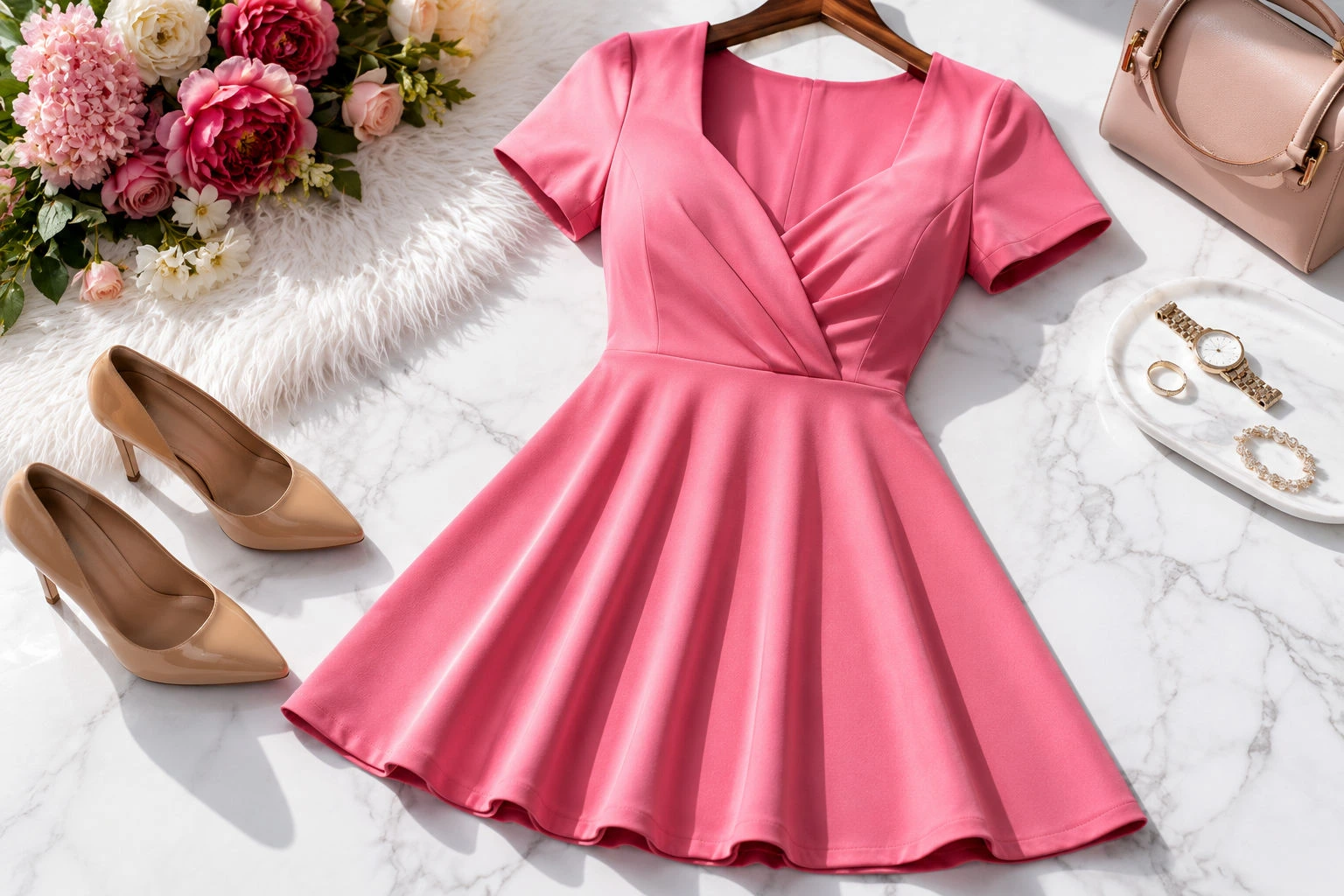
Short Dresses
Explore feminine mini and above-the-knee dresses for private dressing, photographs, parties and complete evening outfits.
Browse Short Dresses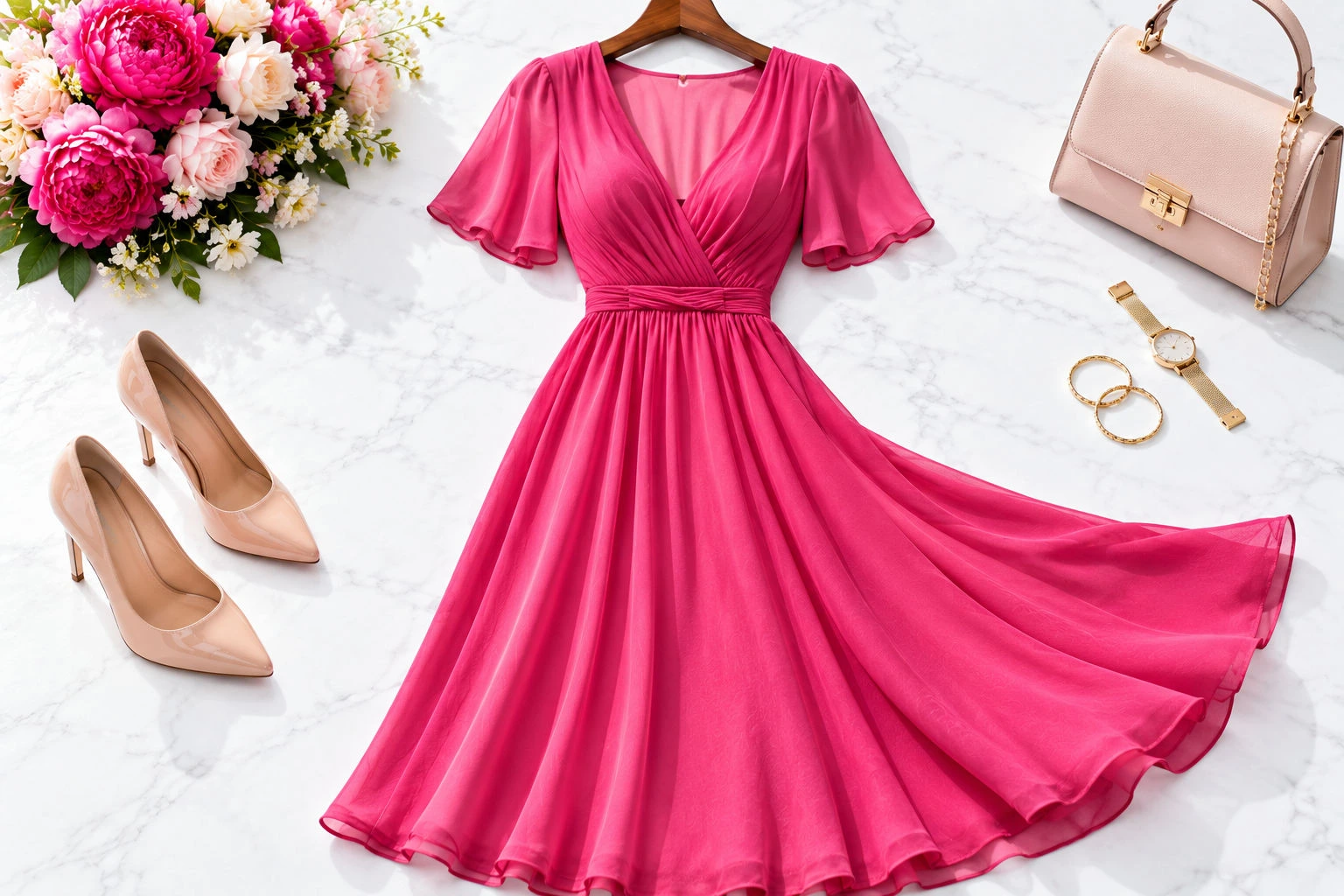
Medium And Long Dresses
Browse knee-length, midi and longer dresses offering additional coverage, elegant movement and versatile feminine styling.
Browse Longer Dresses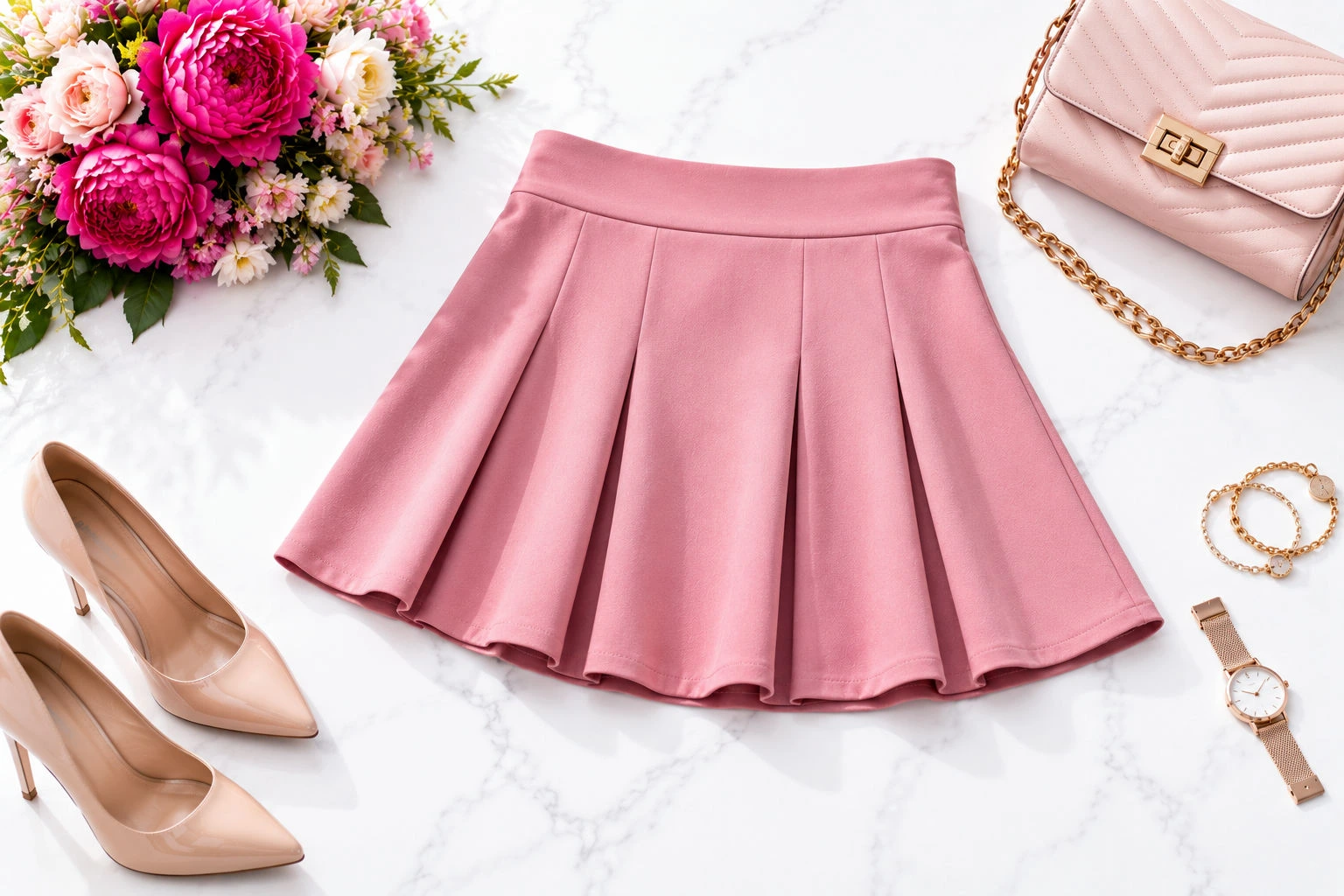
Skirts
Discover short, flared, fitted and longer skirts that can be combined with different tops to create flexible outfits.
Browse Skirts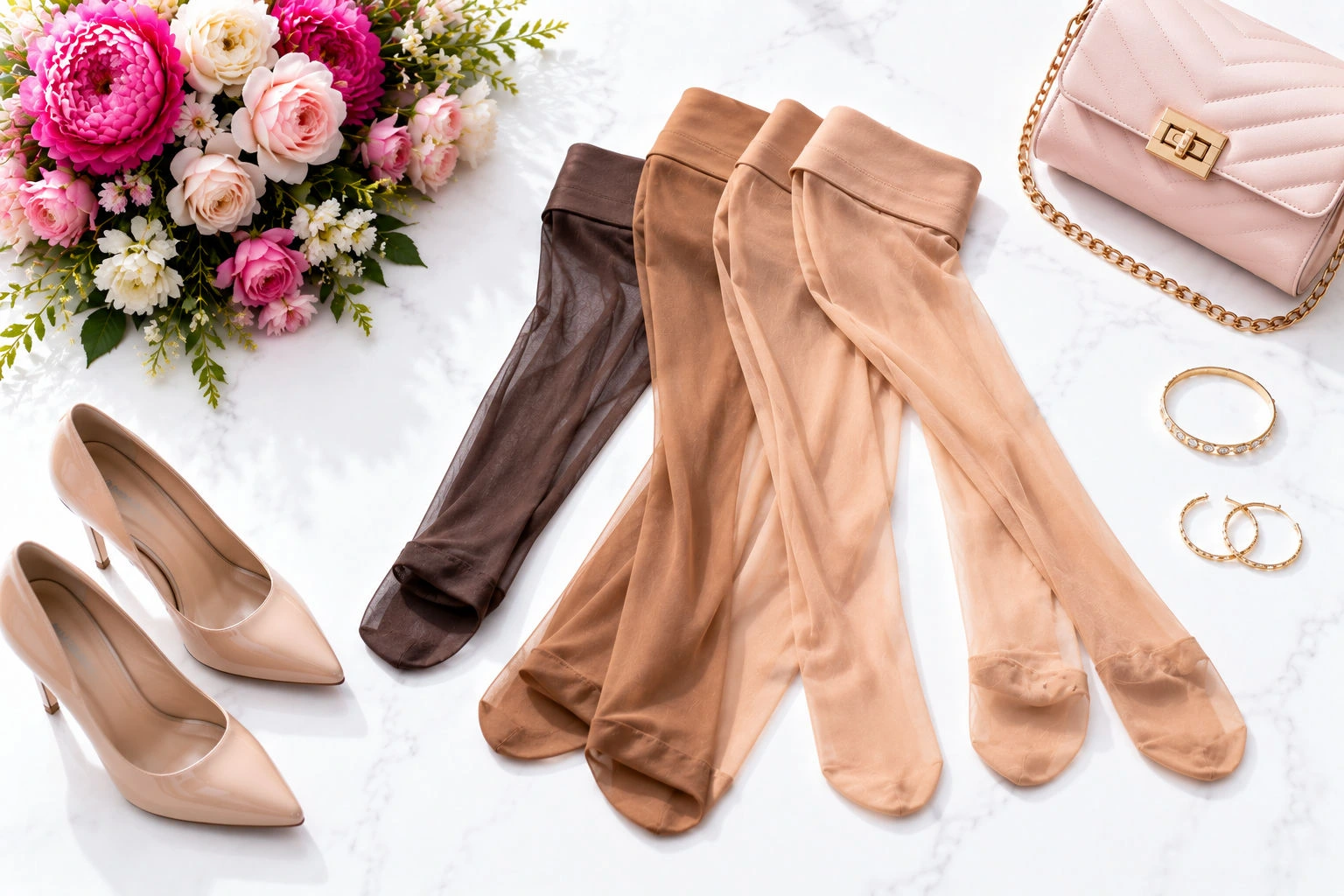
Legwear
Explore feminine legwear designed to coordinate with dresses, skirts, footwear and complete crossdressing outfits.
Browse Legwear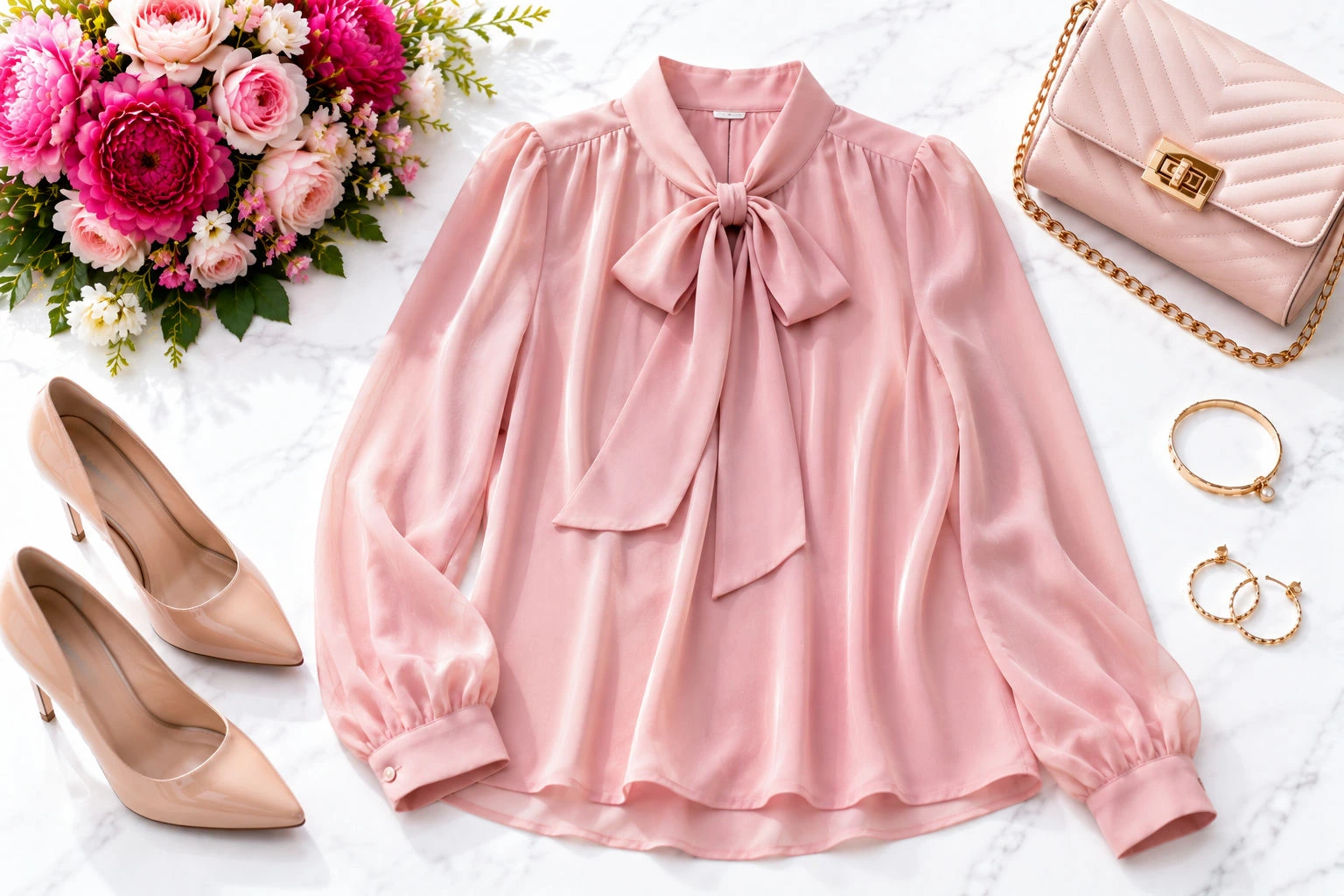
Blouses And Tops
Browse feminine blouses and tops featuring flattering necklines, softer fabrics and styles that coordinate with skirts and legwear.
Browse Blouses And Tops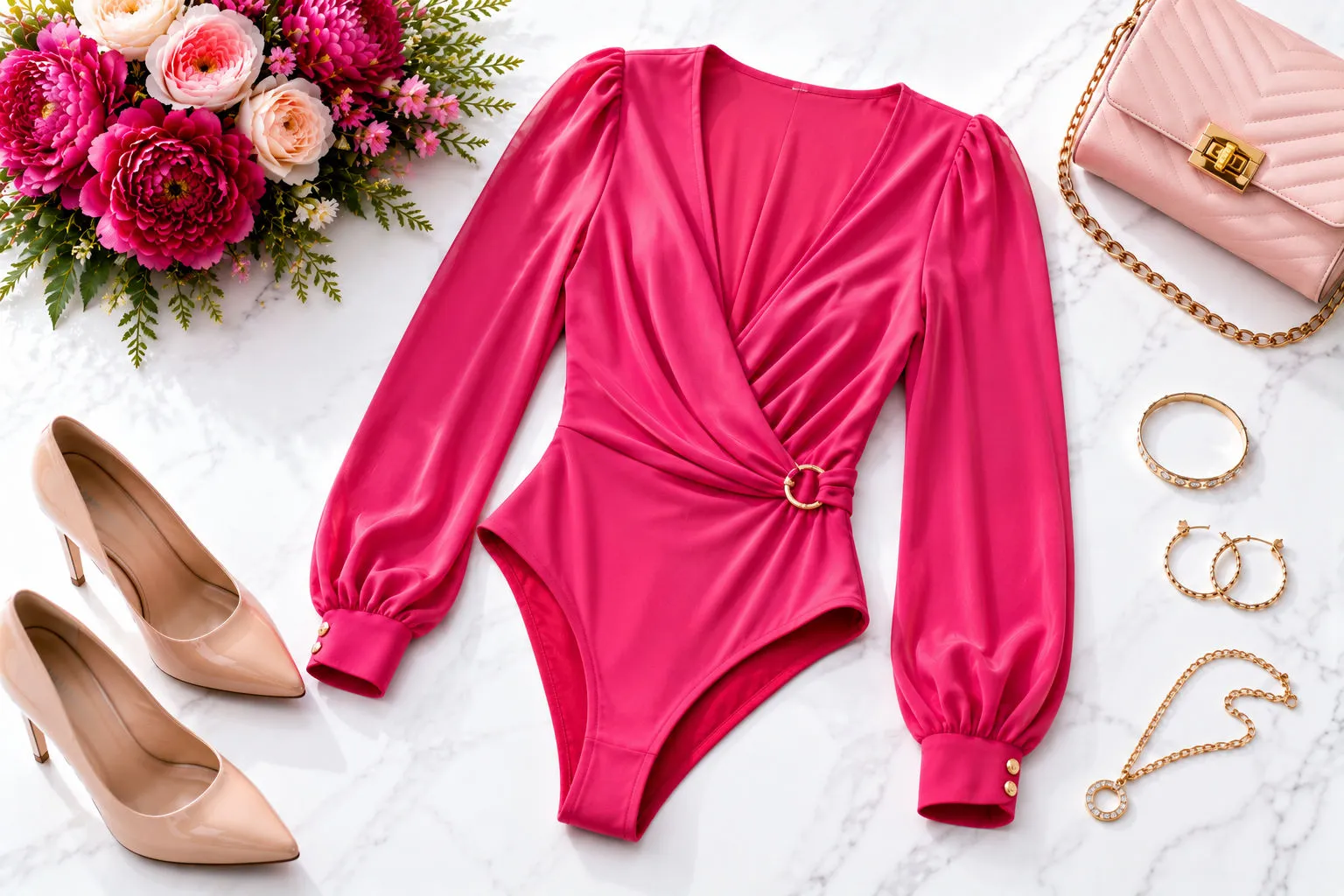
Playwear, Bodysuits And Jumpsuits
Explore fitted bodysuits, playful garments and complete one-piece styles for private dressing and statement outfits.
Browse Playwear And Bodysuits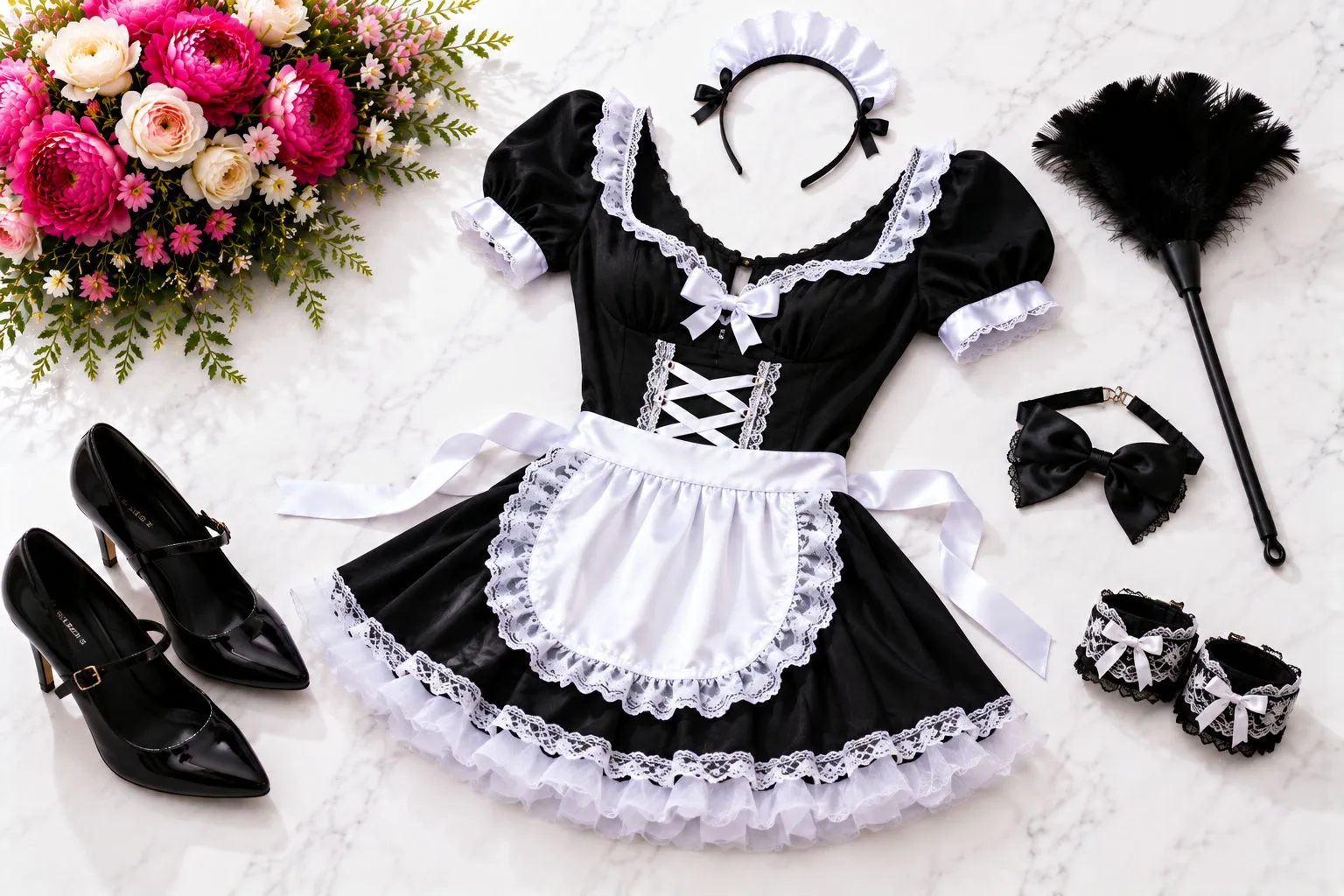
Uniforms And Costumes
Browse French maid, schoolgirl and other themed outfits designed for playful dressing, photographs and complete character looks. These coordinated outfits provide an easy way to create a distinctive look without assembling every garment separately.
Browse Uniforms And Costumes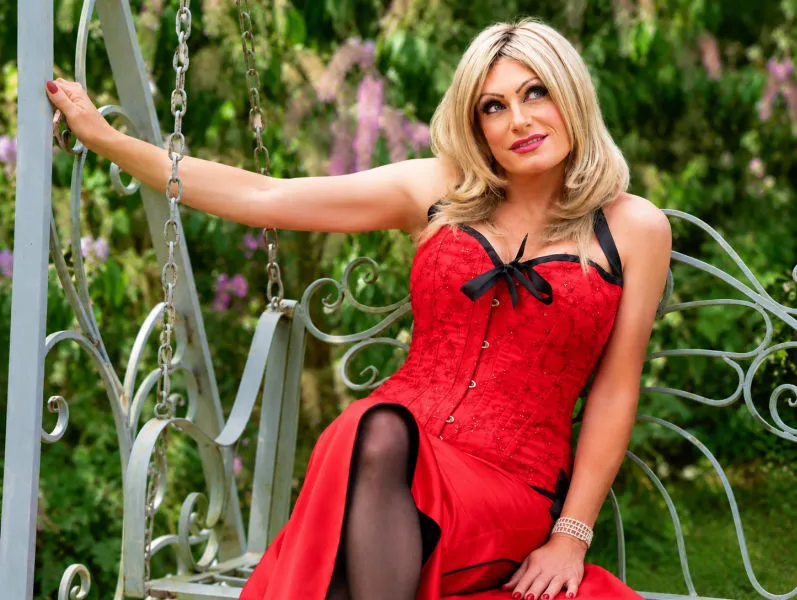
Still Unsure What Clothing Size You Need?
Buying women’s clothing can feel confusing when manufacturers use different size charts, garment cuts and fabric types. Even after taking accurate measurements, you may still be uncertain which size will suit your height, body shape or intended feminine appearance.
Sophie has helped thousands of crossdressers since Translife was established in 2002. She can provide friendly and discreet guidance based on your measurements, the garment you are considering and the foundation garments you intend to wear.
Help understanding UK women’s clothing sizes.
Advice based on your chest, waist and hip measurements.
Guidance choosing flattering dresses, skirts and tops.
Support when wearing breast forms, hip pads or shapewear.
Recommendations for building a coordinated feminine outfit.
Confidential advice with no obligation to make a purchase.
Frequently Asked Questions About Women's Clothing Sizes
These are some of the questions Sophie is asked most often by people who are trying to work out what women's clothing size they need and how to choose clothing that fits comfortably and looks feminine.
Should I buy the same size in every brand?
No. Women's clothing sizes vary considerably between manufacturers. Always compare your body measurements against the individual size guide provided for each garment rather than relying solely on the size label.
Should I measure myself wearing breast forms or hip pads?
Yes. If you normally wear breast forms, hip pads or shapewear, take your measurements while wearing them. This provides a much more accurate guide to how clothing will fit when fully dressed.
What if I'm between two sizes?
Generally choose the larger size, particularly if the garment has little stretch. It's usually easier to adjust slightly loose clothing than wear something that feels too tight.
Are women's sizes the same as men's?
No. Women's clothing uses completely different sizing systems based upon bust, waist and hip measurements rather than chest size alone. This is why taking accurate measurements is so important.
Can Sophie help me choose clothing?
Absolutely. If you're unsure which size, style or outfit would suit your measurements, Sophie is happy to provide friendly advice before you place an order.
Is my enquiry confidential?
Yes. Every enquiry is handled confidentially and discreetly. Whether you contact us by email, telephone or WhatsApp, your privacy is always respected.
Use Your Measurements To Shop With Greater Confidence
This guide has helped answer the question “what cloths size am I?” by explaining measurements, UK women’s sizing, body shape, fabrics, foundation garments and clothing styles. You can now use that information to make more informed choices throughout the Translife clothing collections.
Check Your Measurements
Keep your chest, waist and hip measurements available while shopping, including any changes created by breast forms, shapewear or hip pads.
Check The Garment
Review the individual product information, fabric composition, stretch and cut rather than relying only on the size printed on the label.
Ask Before Ordering
Contact Sophie when you are uncertain about a size, garment style or complete outfit. A quick question may help prevent an unsuitable purchase.
Browse Clothing Or Ask Sophie For Personal Guidance
Choose the route that suits you. Return to the clothing collections to begin shopping, or send Sophie your measurements and the garment you are considering for friendly, discreet advice.