Crossdressing Clothing Size Guide
This Crossdressing Clothing Size Guide explains how to identify the clothing sizes most likely to fit your body, your chosen feminine shape and the particular garment you want to wear.
Knowing your size is one of the most important parts of selecting correctly fitting clothing, but the number printed on the label is only a starting point. Your chest, waist and dressed silhouette all matter, while the cut of the garment and the amount of stretch in the fabric can make two items carrying the same size label fit very differently.
Finding Your Size Is About Fit, Shape And Fabric
A useful crossdressing clothing size guide must do more than match one body measurement to one clothing label. The correct size can change between tops, skirts, dresses and shaping garments because each garment fits a different part of the body.
Use The Measurement That Controls The Fit
Tops and blouses are usually selected around the chest, shoulders and upper body. Skirts are selected around the waist and the shape created through the seat and hips. A single clothing size will not necessarily apply to every type of garment you buy.
Your Top And Skirt Sizes May Be Different
It is completely normal to need a larger size across the chest than around the waist. For example, a 38-inch chest may fit comfortably into a UK size 14 blouse or top, while a 32-inch waist may fit a UK size 12 skirt, including when suitable silicone hip pads are worn.
Fabric Stretch Can Change The Practical Fit
Garments containing elastane can accommodate differences in body shape, garment cut and manufacturer sizing. As a practical rule, Sophie looks for clothing containing at least 5% elastane when some flexibility and stretch are required.
Select Clothing For The Garment, Not Just The Label
The size printed inside a garment does not guarantee how it will fit. The same labelled size can vary considerably according to the brand, the actual cut, whether the fabric stretches and which part of your body must fit through the garment.
Throughout this guide, we will therefore consider your measurements, your natural or dressed shape, the garment construction and the fabric composition before suggesting the most suitable starting size.
Size Conversion Is A Supporting Reference, Not The Purpose Of This Guide
Translife uses UK clothing sizes, but customers viewing the website may be familiar with American, European, Australian or other sizing systems. International conversions will therefore be included later as a supporting reference so readers can understand UK labels. They will not replace the need to check body measurements, garment cut and fabric stretch.
Start With The Size That Fits The Relevant Part Of Your Body
Do not expect one number to describe your entire wardrobe. You may need one size for blouses, another for skirts and a different size again for a fitted dress. The best result comes from understanding which measurement controls each garment and then checking whether the fabric offers enough stretch to accommodate normal variations in cut.
Why Clothing Sizes Can Be So Confusing
One of the biggest misconceptions is that every manufacturer follows exactly the same sizing standard. Unfortunately they don't. A UK Size 14 from one brand may fit very differently from another, even though both garments carry the same label.
This Crossdressing Clothing Size Guide has therefore been written to help you understand why clothing fits differently, rather than simply telling you to buy a particular size. Once you understand how garments are designed and how different fabrics behave, choosing the correct size becomes far easier.
Garment Cut
Two dresses carrying exactly the same size label can fit completely differently because they have been cut for different styles. A fitted bodycon dress will naturally feel much smaller than a relaxed A-line dress despite sharing the same labelled size.
Fabric Construction
The material used to manufacture the garment has a huge influence on sizing. A woven fabric with no stretch normally requires a much more accurate fit, whereas fabrics containing elastane can comfortably accommodate natural body variation.
Manufacturer Sizing
Every clothing manufacturer develops its own production patterns. Although most follow recognised UK sizing as a guide, there can still be noticeable differences between brands, particularly when garments are imported from different countries.
The Number On The Label Is Only The Starting Point
Many people become frustrated because they believe they are a single clothing size. In reality, you may wear one size in a fitted blouse, another in a stretch skirt and a different size again in a structured evening dress.
The correct size depends upon which part of your body controls the fit, how the garment has been designed and whether the fabric has any stretch built into it.
Stop Chasing A Particular Size Number
The aim is not to become a UK Size 12, 14 or 16. The aim is to buy clothing that fits comfortably, hangs correctly and creates the feminine appearance you want. Once you understand how sizing actually works, the number printed on the label becomes far less important than how the garment looks and feels when you wear it.
How To Measure Yourself Correctly For Women's Clothing
Before you can choose the correct clothing size, you need a reliable set of body measurements. This section of the Crossdressing Clothing Size Guide explains which measurements matter, how to take them correctly and, just as importantly, which measurements are relevant for different types of clothing.
You only need a soft dressmaker's tape measure, a mirror and a few minutes. Accuracy is far more important than pulling the tape tightly in an attempt to achieve a smaller number.
Chest
Measure around the fullest part of your chest whilst keeping the tape level around your back. The tape should sit comfortably against the body without compressing the skin.
This measurement is the starting point for blouses, tops, jackets and many dresses.
Natural Waist
Measure around the narrowest part of your waist, normally just above the navel. Stand naturally and avoid pulling your stomach in.
This measurement is particularly important when buying skirts, fitted dresses and high-waisted garments.
Hips
Measure around the fullest part of your hips and seat. If you regularly wear silicone hip pads when dressing, take a second measurement whilst wearing them.
Keeping both measurements provides a far more useful reference when buying different styles of clothing.
Five Simple Rules
- Stand naturally without trying to alter your posture.
- Keep the tape measure level all the way around your body.
- Do not pull the tape tight.
- Wear light clothing or measure against bare skin.
- Write every measurement down for future reference.
Remember...
You are measuring your body—not trying to achieve a particular clothing size. The measurements remain the same regardless of which manufacturer you eventually buy from.
Measure Yourself Once — Use Those Measurements Everywhere
Many people repeatedly measure themselves every time they shop. There is usually no need. Unless your body changes significantly, keep a written record of your chest, waist and hip measurements and use them whenever you buy clothing online. They become your personal sizing reference regardless of the manufacturer or country the garment comes from.
Should You Measure Your Natural Body Or Your Dressed Body?
One of the most common questions we are asked is whether clothing should be bought using natural body measurements or whilst wearing breast forms, hip pads and shaping garments. The simple answer is: Measure the body that will actually be wearing the clothes.
This section of the Crossdressing Clothing Size Guide explains why keeping both sets of measurements is invaluable when building a feminine wardrobe.
Your Everyday Body
Natural measurements are taken wearing little or no clothing without breast forms, hip pads or shaping garments. These measurements provide your baseline reference and are particularly useful when purchasing outerwear, relaxed fitting garments and clothing intended to be worn without additional shaping.
Your Finished Feminine Shape
Dressed measurements are taken whilst wearing the breast forms, hip pads, shapewear or padding that you normally use. For many crossdressers these measurements are actually the most useful because they represent the body shape that must comfortably fit inside the finished garment.
Keep Two Sets Of Measurements
Rather than relying on a single list of body measurements, keep two. One set should record your natural body. The second should record your measurements when fully dressed using your preferred breast forms, hip pads and shaping garments. When buying clothing you simply decide which version of your body the garment is intended to fit.
Hip Pads Often Produce A Better Silhouette Than Tight Corseting
Many people initially believe that reducing the waist is the secret to creating a feminine figure. In reality, creating balanced proportions is often far more important. Silicone hip pads increase the width of the hips, soften the transition between the waist and thighs and create a more natural feminine outline without the discomfort that excessive waist reduction can cause.
Corsets and firm shapewear certainly have their place, but pulling the waist too tightly can become uncomfortable, create visible pressure lines beneath clothing and sometimes produce an unnatural shape. In many situations, moderate shaping combined with correctly chosen hip pads produces a more convincing and more comfortable result.
Dress The Shape You Want People To See
When buying clothing, think about the finished presentation rather than your natural measurements alone. If you normally wear breast forms, hip pads or shapewear, those items become part of your body shape for sizing purposes. Buying clothing for your dressed shape almost always produces a better fit, greater comfort and a much more natural feminine appearance.
Crossdressing Clothing Size Guide – UK Women's Clothing Size Reference Chart
Now that you've measured your chest, waist and hips, the next question is usually, "What size should I try?" The chart below provides a sensible starting point using typical UK women's clothing measurements. Throughout this Crossdressing Clothing Size Guide remember that these figures are intended as a guide only. Different manufacturers use different cutting patterns, fabrics and styling, so the final size you choose may vary from one garment to another.
| UK Size | Bust | Waist | Hips |
|---|---|---|---|
| 8 | 32–33" 81–84cm |
25–26" 63–66cm |
34–35" 86–89cm |
| 10 | 34–35" 86–89cm |
27–28" 68–71cm |
36–37" 91–94cm |
| 12 | 36–37" 91–94cm |
29–30" 73–76cm |
38–39" 96–99cm |
| 14 | 38–39" 96–99cm |
31–32" 78–81cm |
40–41" 101–104cm |
| 16 | 40–41" 101–104cm |
33–34" 83–86cm |
42–43" 106–109cm |
| 18 | 42–43" 106–109cm |
35–36" 88–91cm |
44–45" 111–114cm |
| 20 | 44–45" 111–114cm |
37–39" 94–99cm |
46–48" 117–122cm |
| 22 | 46–48" 117–122cm |
40–42" 102–107cm |
49–51" 124–130cm |
| 24 | 49–51" 124–130cm |
43–45" 109–114cm |
52–54" 132–137cm |
| 26 | 52–54" 132–137cm |
46–48" 117–122cm |
55–57" 140–145cm |
How Do I Use This Chart?
Find your chest, waist and hip measurements in the table above. If all three measurements fall within the same UK size, that is usually your best starting point when shopping.
What If My Measurements Fall Into Different Sizes?
This is completely normal. Use whichever measurement controls the garment you are buying. For example:
- Blouses → Chest
- Skirts → Waist
- Dresses → Bust, Waist & Hips
- Jackets → Chest & Shoulders
Real Measurements — Real Buying Decisions
Someone measuring a 38-inch chest and a 32-inch waist might initially assume they need one clothing size for everything. In reality, they may comfortably wear a UK Size 14 blouse or fitted top, while a UK Size 12 or UK Size 14 skirt may provide the better fit depending on the cut, waistband and amount of stretch in the fabric. This perfectly demonstrates why this Crossdressing Clothing Size Guide teaches you to choose the garment first and the size second.
Which Measurement Matters For Each Type Of Clothing?
Many people make the mistake of using exactly the same body measurement when buying every item of clothing. In reality, different garments fit different parts of the body. Understanding which measurement controls the fit is one of the most valuable lessons in this Crossdressing Clothing Size Guide.
When deciding what size to buy, always begin with the part of your body that the garment is designed to fit. Everything else becomes secondary.
Tops Usually Start With Your Chest
Blouses, shirts and most tops are controlled primarily by the chest and shoulder measurements. Once these fit correctly, minor differences around the waist are often accommodated by the garment's cut or by the amount of stretch in the fabric.
Skirts Begin At The Waist
For most skirts the waist is the controlling measurement. If the garment contains elastane or has an elasticated waistband it will often accommodate moderate variation around the hips, making the waist measurement the most useful starting point.
Dresses Require A Balanced Approach
A dress combines the fitting requirements of both a top and a skirt. The bust, waist, hips, garment style and fabric all work together, making dresses one of the few garments where several measurements need to be considered before selecting a size.
Why One Person Can Wear Different Sizes
It is perfectly normal to wear a larger size in a fitted blouse than in a skirt. Someone with a 38-inch chest and a 32-inch waist may comfortably wear a UK size 14 top while selecting a UK size 12 skirt. Neither size is "right" or "wrong" because each garment is fitting a different part of the body.
This is exactly why experienced shoppers stop trying to fit themselves into a single clothing size and instead learn which body measurement controls each garment.
The clothing label is simply a guide. Always buy the garment that fits your body comfortably rather than chasing a particular number.
Choose The Garment First — Then Choose The Size
Experienced crossdressers rarely begin by asking "What size am I?" They begin by asking "What am I buying?" A blouse, skirt, fitted dress and winter coat are all designed differently and should be sized accordingly. Once you understand which measurement controls each garment, shopping becomes far less confusing and your success rate when buying clothing online increases dramatically.
Why Fabric Composition Can Change The Way Clothing Fits
When buying women's clothing, the size printed on the label is only one part of the story. The fabric used to make the garment often has just as much influence over how it fits, feels and moves. This section of the Crossdressing Clothing Size Guide explains why understanding fabric composition will often help you choose the correct size more successfully than relying on a manufacturer's size label alone.
One of the first things Sophie looks for when buying clothing is the garment's fabric composition. Knowing whether a fabric stretches, drapes naturally or has very little flexibility immediately gives a good indication of how forgiving the fit is likely to be.
Non-Stretch Fabrics
Garments made from woven polyester, cotton, linen or similar fabrics with little or no elastane usually need much more accurate sizing. If the bust, waist or hips are too large for the garment there is very little flexibility available to compensate.
Stretch Fabrics
Knitted fabrics or garments containing elastane can comfortably accommodate normal variations in body shape. The additional stretch often allows clothing to mould naturally to the body whilst maintaining a comfortable fit.
The Amount Of Stretch Matters
Not every stretch fabric behaves the same way. A garment containing only a small percentage of elastane behaves very differently from one designed as a highly elastic bodycon dress or activewear garment.
Look At The Fabric Label Before Looking At The Size Label
For everyday wear, Sophie normally looks for garments containing around 5% elastane or more. That small amount of stretch often makes clothing noticeably more comfortable and far more forgiving when different manufacturers produce garments with slightly different cutting patterns.
This doesn't mean every garment should contain elastane. Structured jackets, tailored garments and many formal dresses are intentionally manufactured using fabrics with very little stretch because they are designed to hold a specific shape.
- Jersey
- Stretch Cotton
- Viscose Blends
- Knitted Fabrics
- Elastane Blends
- Linen
- Poplin Cotton
- Structured Polyester
- Tailored Suit Fabrics
- Heavy Woven Materials
Stretch Improves Comfort — It Shouldn't Hide Poor Fit
Stretch fabrics can accommodate small differences in body measurements, but they are not a substitute for choosing the correct size. If a garment is obviously too small, excessive stretching can distort the shape, reduce comfort and shorten the life of the fabric. Similarly, buying clothing that is far too large simply because the fabric has no stretch often produces an untidy appearance. The objective is always to begin with the correct size and allow the fabric to provide the final degree of flexibility.
Fabric Should Work With You — Not Against You
When shopping online, spend as much time reading the fabric composition as you do looking at the size guide. Two garments carrying exactly the same UK size can fit very differently simply because one has been manufactured with stretch fibres and the other has not. Once you understand how fabrics behave, choosing clothing becomes far less frustrating and your confidence when buying online increases dramatically.
Crossdressing Clothing Size Guide – Understanding UK Clothing Sizes Around The World
Throughout this Crossdressing Clothing Size Guide we've concentrated on measuring your body correctly, understanding garment construction and recognising how fabric affects fit. Once those principles are understood, converting international clothing sizes into UK sizing becomes much easier.
Because Translife uses UK clothing sizes across the website, the table below provides a useful reference for visitors shopping from overseas. Remember that these conversions should always be treated as a guide. Different manufacturers often produce noticeably different fitting garments despite using exactly the same size label.
| UK | USA | Europe | Australia |
|---|---|---|---|
| 8 | 4 | 36 | 8 |
| 10 | 6 | 38 | 10 |
| 12 | 8 | 40 | 12 |
| 14 | 10 | 42 | 14 |
| 16 | 12 | 44 | 16 |
| 18 | 14 | 46 | 18 |
| 20 | 16 | 48 | 20 |
| 22 | 18 | 50 | 22 |
| 24 | 20 | 52 | 24 |
Use This Table As A Starting Point
The conversion table helps international visitors understand which UK clothing size is likely to correspond with the sizing system they already know. It is intended as a starting point—not a guarantee of perfect fit.
Always Compare Measurements
Before ordering clothing, compare your body measurements against the garment information whenever it is available. This approach is considerably more accurate than relying purely on the size printed on the label.
Check The Fabric Composition
As explained earlier in this Crossdressing Clothing Size Guide, stretch fabrics often provide greater flexibility than structured woven fabrics. Two garments carrying the same UK size can therefore feel completely different when worn.
Buying From Translife
All clothing available from Translife is listed using UK sizing. If you're unfamiliar with UK sizes, convert your local size using the table above and then apply everything you've learned throughout this Crossdressing Clothing Size Guide. Your body measurements, the garment style and the fabric composition will always provide a more reliable indication of fit than the size label alone.
Continue With These Helpful Translife Guides
Use these specialist guides and collections to continue building a comfortable, coordinated and confidently fitted wardrobe.
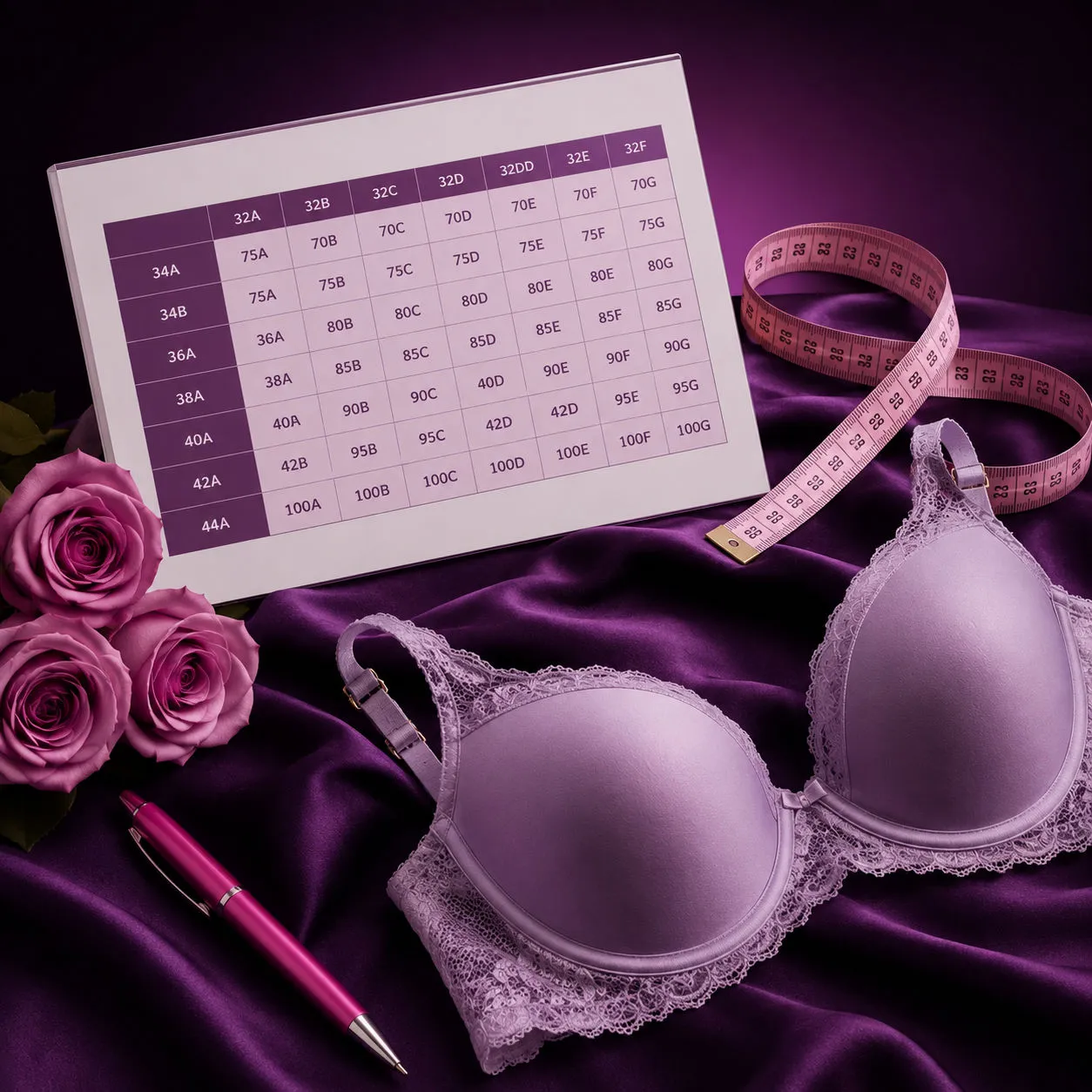
Bra Size Conversion Guide
Calculate a practical starting bra size and understand how band size, cup size and breast forms affect fit.
Crossdressing Shop
Explore clothing, wigs, footwear, breast forms, lingerie, cosmetics and accessories selected for crossdressers.
Shapewear Collection
Discover shaping garments designed to smooth your outline, define your waist and support a more feminine silhouette.
Sophie's Professional Advice
Over the years I've found that people who understand measurements, garment construction and fabric rarely have problems choosing clothing online. Think of the size label as a useful guide rather than an absolute rule. When you combine accurate measurements with the advice throughout this Crossdressing Clothing Size Guide, you'll achieve far more consistent results and enjoy shopping with much greater confidence.
Crossdressing Clothing Size Guide: Choosing the Correct Size Online
Shopping online gives you access to a much wider choice of feminine clothing, but you cannot try a garment on before buying it. This part of the Crossdressing Clothing Size Guide shows you how to assess each garment using its measurements, cut, fabric and intended fit rather than relying on the size label alone.
The best approach is to examine the individual garment before deciding which size to order. A size that fits perfectly in one blouse, skirt or dress may not be the best choice in another style or from another manufacturer.
Identify the Garment's Controlling Measurement
Begin by deciding which part of your body controls the fit. For a blouse this will normally be the chest and shoulders. For a skirt it is usually the waist, while dresses may require you to consider the bust, waist and hips together.
Use the Measurements You Will Dress With
Use your dressed measurements when the garment will be worn with breast forms, hip pads or shapewear. Your natural measurements remain useful for garments you intend to wear without additional shaping.
Read the Fabric Composition
Check whether the garment contains elastane or is made from a naturally flexible knitted fabric. A small amount of stretch can make a garment much more accommodating, while structured woven fabrics normally require more precise sizing.
Study the Cut and Intended Fit
Look for descriptions such as fitted, tailored, relaxed, oversized, bodycon or A-line. These terms help explain how the garment is intended to sit on the body and whether you may need more or less room.
A Practical Five-Point Check
Use this simple process whenever you are uncertain which size to select. It brings together the most important advice from the Crossdressing Clothing Size Guide and helps reduce unsuccessful purchases.
Identify whether the garment is a top, skirt, dress, trousers, jacket or coat.
Use the measurement that relates most closely to the garment's construction.
Select your natural or dressed measurements according to how the finished outfit will be worn.
Check the fibre content and allow for the difference between stretch and non-stretch materials.
Consider whether the style should be close-fitting, gently shaped or deliberately loose.
A Model Photograph Does Not Confirm the Fit
Product photographs are useful for understanding the style, length and general appearance of a garment, but they do not tell you how it will fit your body. Models may have different proportions, may be wearing a garment that has been pinned for photography or may be shown in a size chosen specifically for the image.
Use photographs as visual guidance, but make your sizing decision using measurements, garment construction and fabric composition.
The garment description and fabric label usually provide more useful sizing information than the promotional photograph.
Let the Garment Decide
Consider the Larger Size When:
- The fabric has little or no stretch.
- The garment is tailored or close-fitting.
- Your controlling measurement is near the top of the stated range.
- You need room for breast forms, padding or clothing underneath.
Consider the Smaller Size When:
- The garment is deliberately oversized or relaxed.
- The fabric has generous stretch and recovery.
- Your controlling measurement is near the bottom of the stated range.
- The design includes an elasticated or adjustable section.
These are practical guidelines rather than fixed rules. The garment's cut and construction should always determine the final choice.
Related Translife Guides
Clothing fit can also be affected by the lingerie, breast forms and shaping worn beneath it. The Bra Size Conversion Guide for Crossdressers explains how to establish a suitable bra size, while the Wig Buying Guide can help you complete the proportions and balance of your finished appearance.
Buy for the Garment, Not for the Number
Before placing an order, pause and assess the garment as an individual item. Check which measurement controls the fit, whether you will wear shaping underneath, how much stretch the fabric contains and how the style is intended to sit on the body. Applying this process consistently is far more reliable than assuming you wear one women's clothing size in everything.
The purpose of this Crossdressing Clothing Size Guide is not to assign you a single number. It is to help you make better sizing decisions for every garment you choose.
Crossdressing Clothing Size Guide: The Most Common Clothing Sizing Mistakes
Even experienced shoppers occasionally order clothing that doesn't fit as expected. Fortunately, most sizing problems are caused by a handful of common mistakes that are easy to avoid once you understand how women's clothing is designed. This section of the Crossdressing Clothing Size Guide highlights the errors Sophie sees most frequently and explains the simple changes that can dramatically improve your success when shopping online.
Buying The Same Size In Everything
One clothing size rarely works across every garment. Tops, skirts, dresses, jackets and trousers are all cut differently and should be selected using the measurement that controls the fit.
Ignoring Fabric Composition
Two garments carrying exactly the same size label can fit completely differently because one contains stretch fibres while the other does not.
Measuring The Wrong Body
Many crossdressers measure their natural body, then purchase clothing intended to be worn with breast forms, hip pads and shapewear.
Trying To Wear A Particular Size
The size label should never become the objective. Clothing that fits comfortably will always look better than forcing yourself into a smaller size.
Ignoring Garment Style
A fitted pencil skirt and a flowing A-line skirt may both carry the same size label while fitting completely differently.
Ordering Too Quickly
Many sizing mistakes happen because people rely on the product photograph without reading the accompanying information.
Sophie's 30 Second Size Check
Before completing your order, ask yourself these six questions.
Small Changes Produce Big Improvements
After helping thousands of clients over many years, I've found that successful shopping is rarely about luck. It comes from following the same simple process every time. Measure accurately, understand the garment, consider the fabric, buy for your finished shape and ignore the temptation to chase a particular clothing size. Following those principles consistently will help you build a wardrobe that fits comfortably, looks natural and gives you confidence every time you dress.
Crossdressing Clothing Size Guide FAQs
These frequently asked questions bring together the most important advice from our Crossdressing Clothing Size Guide. They cover body measurements, breast forms, hip padding, fabric stretch, UK sizing and the practical differences between buying tops, skirts and dresses.
There is no single women's clothing size that will automatically fit every part of your wardrobe. The most reliable approach is to assess each garment individually and select the size that suits its cut, fabric and controlling body measurement.
How do I find my women's clothing size as a crossdresser?
Begin by taking accurate chest, waist and hip measurements. Then identify which measurement controls the fit of the garment you want to buy. Tops and blouses are normally selected using the chest and shoulders, while skirts are usually controlled by the waist. Dresses may require the bust, waist and hips to be considered together.
The purpose of this Crossdressing Clothing Size Guide is to help you choose the correct size for each individual garment rather than assigning one fixed size to your entire wardrobe.
Should I use my male clothing size to buy women's clothing?
No. Men's and women's clothing are designed using different cutting patterns and sizing systems, so a men's clothing size cannot be converted directly into an accurate women's size.
Use your actual body measurements instead. Compare your chest, waist and hip measurements with the construction, cut and fabric of the women's garment you are considering.
Should I measure myself while wearing breast forms and hip pads?
Measure yourself wearing breast forms, hip pads and shapewear whenever those items will be worn beneath the finished outfit. These are your dressed measurements and they represent the shape the garment must accommodate.
It is useful to keep a second set of natural body measurements for clothing that will be worn without additional shaping. Keeping both sets makes the advice in the Crossdressing Clothing Size Guide easier to apply to different outfits.
Can I wear different women's sizes in tops and skirts?
Yes. This is completely normal. Your chest may require a larger size in blouses and fitted tops, while your waist may fit a smaller skirt size.
For example, someone with a 38-inch chest and a 32-inch waist may wear a UK size 14 blouse and a UK size 12 skirt. Both garments fit correctly because each one is designed around a different part of the body.
How important is elastane when choosing women's clothing?
Elastane can make clothing more flexible and forgiving. Sophie often looks for everyday garments containing approximately 5% elastane because the additional stretch can accommodate differences in body shape and garment construction.
However, elastane is not essential in every item. Coats, tailored jackets and structured dresses may be intentionally made from fabrics with little or no stretch. The Crossdressing Clothing Size Guide recommends judging the fabric according to the type of garment rather than treating stretch as a universal requirement.
Should I choose a larger size when a garment has no stretch?
A non-stretch garment requires more accurate sizing because the fabric has very little flexibility. Choose the size that comfortably accommodates the garment's controlling measurement.
Moving up a size can be sensible when your measurement is close to the top of the manufacturer's stated range, but automatically buying every non-stretch garment larger may create excess material in other areas.
Why do two garments with the same UK size fit differently?
Clothing manufacturers use their own cutting patterns, fabrics and fit specifications. A UK size 14 from one brand may therefore be narrower, shorter or more generously cut than a UK size 14 from another.
Garment style also matters. A fitted pencil skirt, stretch jersey skirt and flowing A-line skirt can all carry the same size label while fitting very differently. This is why our Crossdressing Clothing Size Guide treats the label as a starting point rather than a guarantee.
What should I do when I am between two clothing sizes?
Let the garment determine the decision. Consider the controlling body measurement, the amount of stretch, the intended fit and whether breast forms, padding or other clothing will be worn underneath.
The larger size may be more suitable for structured or close-fitting garments with little stretch. The smaller size may work for generously cut clothing, elasticated garments or styles designed to be oversized.
Are international women's clothing conversions always accurate?
No. International conversion tables are useful references, but they cannot guarantee fit. UK, US and European labels provide an approximate comparison while individual manufacturers continue to use their own garment specifications.
International customers should convert their familiar size into the nearest UK size and then apply the measurement, garment and fabric advice provided throughout this Crossdressing Clothing Size Guide.
What is the most reliable way to buy women's clothing online?
Identify the garment type, determine which body measurement controls its fit, decide whether to use your natural or dressed measurements and check the fabric composition. You should also read whether the garment is described as fitted, relaxed, oversized, bodycon or tailored.
Following the same process for every purchase is more reliable than assuming you always wear one particular women's clothing size.
Fit Begins Beneath the Clothing
The bra, breast forms and shaping worn beneath an outfit can alter its final measurements. Use our Bra Size Conversion Guide for Crossdressers alongside this Crossdressing Clothing Size Guide when planning your dressed shape.
You can also use the Translife Wig Buying Guide to choose a hairstyle that balances your face, shoulders and finished proportions.
There Is No Single Correct Size for Every Garment
Use accurate measurements, dress for the shape you intend to create and judge every garment by its construction. Check which part of your body controls the fit, whether the fabric stretches and how the garment is intended to sit.
Applying the advice in this Crossdressing Clothing Size Guide will help you make more consistent decisions, reduce unsuitable purchases and build a feminine wardrobe that fits comfortably and looks properly balanced.
Crossdressing Clothing Size Guide – Build Your Wardrobe with Confidence
Congratulations—you've now completed the Crossdressing Clothing Size Guide. Rather than relying on guesswork or generic women's size charts, you now have a practical method for choosing clothing that fits your body, your presentation and the way you intend to dress.
Whether you are buying your very first outfit or adding to an established wardrobe, the same principles apply every time. Measure accurately, understand the garment, consider the fabric and buy for the finished shape you want to achieve—not simply the number printed on the label.
Measure Correctly
Keep an accurate record of your chest, waist and hip measurements and update them whenever your body shape changes or you change the breast forms or hip pads you normally wear.
Understand The Garment
Identify which body measurement controls the fit before looking at the clothing size. A blouse, skirt, dress and jacket should never all be treated exactly the same.
Read The Fabric Label
Check whether the garment contains stretch fibres or is made from structured woven fabric. The material often has as much influence over the fit as the size printed on the label.
Buy With Confidence
Use everything you've learned throughout this Crossdressing Clothing Size Guide to make informed purchasing decisions instead of relying on guesswork.
Explore Our Other Translife Guides
Choosing the correct clothing size is only one part of creating a complete feminine presentation. Our growing Knowledge Centre contains practical guides covering wigs, lingerie, bras, footwear, breast forms, shapewear, cosmetics and much more.
Ask Sophie Before You Buy
Every body shape is different, which is why there will always be occasions when expert advice is more valuable than another size chart. If you're unsure which clothing size is likely to suit you, need advice about breast forms, shapewear, balancing your proportions or simply want a second opinion before placing an order, I'm always happy to help.
Having assisted thousands of crossdressers over many years, I understand that confidence often begins with buying the first garment that fits properly. Sometimes a short conversation is all that's needed to avoid an expensive mistake.
Chat With Sophie On WhatsAppThank You For Reading Our Crossdressing Clothing Size Guide
We hope this Crossdressing Clothing Size Guide has given you the confidence to understand women's clothing sizes, recognise how garments are designed and make better purchasing decisions every time you shop. Our aim has always been simple: to provide practical, honest advice based on real experience rather than confusing fashion industry myths. We look forward to helping you continue your crossdressing journey.