
Wig Colour Guide
Find a wig colour that works beautifully with you
Understand wig colour depth, tone, highlights, blends and shade codes, then learn how to choose colours that complement your complexion and create the feminine look you want.
- Understand colour codes
- Compare depth & tone
- Choose with confidence
Why Wig Colour Makes Such a Difference
Wig colour does much more than decide whether your hair is blonde, brunette or red. It changes the contrast around your face, influences how soft or striking your overall appearance feels and can completely alter the character of a style.
The same wig style can look completely different in another colour
A wig that feels soft and understated in one shade can become much more dramatic in another. Darker colours can create stronger contrast around the face, while lighter or blended shades can produce a softer effect. Neither approach is automatically better; the important question is what works with your features and the look you want to create.
This is why choosing wig colour is not simply a matter of finding the nearest match to your natural hair. For many Translife customers, a wig is part of creating a feminine presentation, which gives you much more freedom to explore colours you may never have worn before.
The aim of this wig colour guide is therefore not to tell you that one particular shade is “correct”. Instead, it will help you understand what different colours are doing visually so that you can make a more confident and informed choice.
It changes facial contrast
Hair colour sits directly beside your face, so changing its depth can make your features appear softer, stronger or more defined.
It affects the character of a style
The same cut can feel discreet, sophisticated, youthful, glamorous or dramatic depending on the colour and blend.
It influences how comfortable you feel
A colour that feels believable and suits the presentation you are trying to create can make the finished look feel much easier to wear.
It gives you room to experiment
Wearing a wig allows you to explore shades, highlights and colour combinations without making a permanent change to your own hair.
The best wig colour is not simply the shade you like most on its own — it is the colour that creates the overall effect you want when the wig is actually framing your face.
Depth, Tone & Colour Effect
Before looking at individual wig shades, it helps to understand what actually creates the colour you see. Two wigs may both be described as blonde or brown, yet look completely different because their depth, tone and mixture of colours are different.
Depth
Depth describes how dark or light the overall wig colour appears. At one end are very dark blacks and deep brunettes; at the other are very light blondes, pale shades and platinum colours.
Changing the depth can have a surprisingly strong effect because it changes the amount of contrast between the hair and your face.
Dark ↔ LightTone
Tone describes the character within a colour. A blonde might look golden and warm, for example, while another blonde of a similar depth may appear cooler or ashier.
The same principle applies to brunette and red shades. Tone is one of the reasons colours with a similar level of darkness can still look noticeably different.
Warm · Cool · NeutralColour Effect
Many wigs are not made from one completely uniform shade. Highlights, mixed fibres, darker roots and several closely related colours can create far more visual depth than a flat single colour.
This variation can make the hair look softer, more dimensional and more interesting when it moves or catches the light.
Blend · Highlight · DimensionThink of Depth as a Sliding Scale
You do not need to memorise a chart to understand the principle. Moving from left to right simply represents the overall colour becoming progressively lighter.
This is an illustrative depth scale rather than a manufacturer colour chart. Actual wig shade numbers and colour descriptions can vary between brands.
Cooler Tones
Cooler-looking shades may contain ashier, softer or less golden colour notes. They can give the overall colour a more subdued appearance.
Warmer Tones
Warmer shades may show golden, honey, copper or richer brown notes, giving the wig a noticeably warmer overall character.
More Neutral Tones
Some colours sit between noticeably warm and noticeably cool. These can be useful when you want a balanced shade without a particularly strong colour cast.
Depth and tone are not the same thing
Two wigs can be almost equally light or dark but have very different tones. Likewise, two warm colours may still be at very different depths. Separating these ideas makes wig colour much easier to understand.
How Wig Colour Numbers & Shade Names Work
Wig colours are commonly identified by numbers, combinations of numbers, descriptive shade names, or a mixture of all three. Understanding what those labels are trying to communicate is useful — but they should always be read in the context of the particular wig brand or manufacturer.
A number gives you a useful colour reference
Many wig ranges use numbers to identify individual colours. In broad terms, lower-numbered shades are often associated with darker colours and higher numbers with lighter shades, although the precise meaning of each code depends on the manufacturer.
A single number may describe the main colour, while a code containing more than one number can indicate a blend or combination of shades.
More than one number usually means more than one colour
When a wig shade contains two or more colour references, you are often looking at a blend rather than one completely uniform colour. This can create highlights, variation and a more dimensional appearance.
The important point is not to assume that every slash, letter or suffix means exactly the same thing across every brand. The manufacturer's own description remains the best reference for that particular wig.
Use the code as a reference
Shade numbers are useful for finding and comparing colours within a wig range, but they are not a substitute for looking at the actual shade description and imagery.
Compare within the same brand
A code is most useful when comparing colours offered by the same manufacturer. Do not assume that an apparently similar code from another range will be visually identical.
Look beyond the number
Check whether the shade is described as warm, cool, highlighted, blended, rooted or otherwise multi-tonal, because those details can change the finished appearance considerably.
What About Descriptive Colour Names?
Names can make a colour easier to imagine, but they are not an exact measurement. A phrase such as “strawberry blonde” or “chocolate brown” can describe a general colour family while still looking different from one wig range to another.
There is no single universal wig colour chart
Different manufacturers can use different colour names, codes, blends and suffixes. A familiar-looking number is therefore a useful clue, not a guarantee that two wigs from different ranges will be exactly the same colour.
Start with the main shade family, check how light or dark it is, then look for information about warmth, coolness, highlights, blends or roots. The complete description is far more useful than relying on one number or colour name alone.
Choosing a Wig Colour for Your Complexion
Your complexion is one of the most useful things to consider when choosing a wig colour, but it should guide your decision rather than dictate it. The aim is to find shades that make your overall appearance feel balanced, flattering and comfortable to wear.
Look at what the colour does beside your face
Hair surrounds the face, so even a small change in shade can alter how bright, soft, warm or defined your complexion appears.
A very dark wig may create strong contrast. A lighter or more blended colour can soften that contrast. Warm golden tones may create one effect, while ashier or cooler shades can create another.
Rather than beginning with rigid rules about which colours you are “allowed” to wear, judge the complete result. If a shade makes your face look fresher and works with the feminine presentation you want to create, it deserves consideration.
Warmer-Looking Complexions
If warmer colours already sit comfortably beside your face, golden blondes, honey shades, warm brunettes and some richer auburn tones may be worth exploring. Treat this as a starting point rather than a fixed rule.
Cooler-Looking Complexions
Cooler, ashier or less golden wig colours may sometimes sit more naturally beside a cooler-looking complexion. Soft browns, ash blondes and cooler blended shades can all be useful areas to explore.
More Neutral Complexions
If neither distinctly warm nor distinctly cool shades dominate your appearance, you may find that a broad range of colours works. In this case, depth, contrast and the style of look you want may become more important than tone alone.
A Simple Way to Compare Wig Colours
When possible, compare more than one shade under similar lighting. You are looking for the colour that works best with the complete face rather than the shade that looks most attractive by itself.
Very dark is not automatically more natural
It can be tempting to choose a very dark wig simply because your natural hair was once dark. However, strong dark colour close to the face can sometimes create more contrast than you expect. Trying a slightly softer brown or blended shade may produce a very different result.
Blonde does not mean one particular look
Blonde covers an enormous range, from darker and warmer shades through highlighted blends to pale or cool blondes. If one blonde does not suit you, that does not mean blonde as a whole is the wrong choice.
Complexion is a useful guide, not a restriction. A wig may be chosen because you want a natural everyday appearance, because you want to look noticeably more glamorous, or simply because you love the colour. The best choice depends on the result you are trying to create.
Natural Hair Colour or a More Glamorous Look?
You do not have to recreate the colour of your own hair when choosing a wig. Some people want a discreet, believable shade that feels close to their natural colouring, while others use wigs as an opportunity to create a noticeably more glamorous feminine appearance.
Staying closer to familiar colouring
If your priority is a subtle everyday appearance, beginning with colours reasonably close to shades you have worn naturally can make the transition into a wig feel easier.
That does not necessarily mean matching your own hair exactly. A slightly softer depth, a gentle blend or a few highlights may give you a more flattering result while still feeling completely believable.
- Useful if you want a lower-key or everyday appearance.
- Familiar colouring can make a first wig feel easier to wear.
- Small changes in depth or tone can still make a significant difference.
- Blended colours can add interest without looking dramatically different.
Giving yourself permission to look different
A wig also gives you the freedom to explore a side of your appearance that may have little connection with your natural hair colour. You may simply feel more feminine in blonde, love a rich brunette, or enjoy a brighter highlighted colour.
There is nothing wrong with choosing a colour because it creates the image you want to see in the mirror. The important thing is that the complete result works for you.
- Useful when you want the transformation to feel more noticeable.
- Gives you freedom to explore colours you have never worn naturally.
- Highlights and multi-tonal blends can create a polished, styled effect.
- The aim can be femininity and confidence rather than imitation.
You are not trying to reproduce the person you were before the wig
For many Translife customers, wearing a wig is part of creating a feminine presentation rather than replacing missing hair with an exact copy of what was there before. That means your previous hair colour can be a useful reference, but it does not have to become a restriction.
Decide What You Want the Wig to Do
Before worrying about an exact shade number, ask yourself what sort of finished appearance you are trying to create.
Do not automatically choose your old hair colour
Your colouring, age, makeup and the presentation you want today may all be different from when that natural hair colour originally suited you.
Do not assume blonde must be dramatic
Darker blondes and blended shades can be surprisingly subtle. Blonde ranges from restrained and natural-looking through to very bright and glamorous.
Do not choose colour in isolation
Think about the wig together with your makeup, clothing and overall style. The same colour can feel very different as part of a complete feminine presentation.
Choose a colour because it supports the look you want to create. That may be understated and natural-looking, noticeably feminine and glamorous, or somewhere comfortably between the two.
Highlights, Blends, Rooted Colours & Dimension
Many modern wig colours are deliberately made from more than one shade. Highlights, mixed fibres, darker roots and closely related colours can give the hair more depth and make the finished colour look much less flat.
A wig described simply as blonde or brown may still contain several different tones. These variations can be subtle, but they often make a noticeable difference once the wig is worn because the colour changes slightly as the hair moves and catches the light.
This is where the idea of reflection becomes useful. In practical terms, it is the visible colour effect you notice when lighter, warmer, cooler or contrasting fibres appear through the main shade. It is part of what gives many wigs their sense of dimension.
Highlights
Highlights introduce lighter strands or sections through the main colour. They can soften an overall shade, brighten the area around the face and prevent a colour from appearing too uniform.
Depending on the wig, highlights may be very subtle or deliberately noticeable.
Lightness & ContrastBlended Colours
A blended shade combines two or more colours throughout the wig. Rather than seeing one block colour, the eye picks up small changes in depth and tone across the hair.
This can produce a softer, more dimensional appearance than a completely uniform shade.
Mixed ColourRooted Colours
A rooted colour uses a darker shade at or near the roots before moving into the main colour through the rest of the wig.
The contrast can give the colour extra depth and can make some lighter shades feel visually softer at the top of the head.
Darker Root EffectReflection & Dimension
Reflection is the visible colour character that appears as light moves across the fibres. Warm gold, cooler ash, copper or lighter strands may become more or less noticeable depending on the lighting and viewing angle.
It helps explain why the same wig colour can look slightly different in photographs, indoors and in natural daylight.
Visible Colour EffectWhy Multi-Tonal Colour Can Look Different
These effects influence how the colour behaves visually rather than simply changing the basic name of the shade.
Why a darker root can change the whole impression
A light wig with a darker root can feel quite different from the same general blonde depth without rooting. The darker area adds contrast at the crown and breaks up the transition into the lighter colour.
Whether you prefer rooted or non-rooted colour is mainly a matter of the effect you want to create.
Brand descriptions still matter
Terms such as highlighted, blended or rooted describe a broad visual idea, but the precise result varies from one wig and one manufacturer to another.
Always use the actual product photography and colour description for the wig you are considering rather than assuming that two similarly described shades will be identical.
If a solid colour feels too strong
Consider a closely related blended or highlighted version. The extra variation may soften the overall appearance.
If a light shade feels too bright
A darker root or slightly deeper blend may give you the lighter effect you want without the colour feeling quite as stark.
If photographs look different
Remember that multi-tonal colours react to lighting. A highlighted shade may appear warmer, cooler, lighter or more contrasted in different photographs.
Some people prefer a cleaner, more uniform colour while others like visible highlights, blends or rooting. These features are choices that change the finished effect, not a quality test on their own.
Translife Wig Colour Chart
The examples below show a selection of familiar shades used within the Translife wig colour guide, moving from very dark colours through browns and blondes to auburn and red.
Wig shade numbers, names and blends can vary between manufacturers. These examples help you understand the broad colour families used in this guide, but always check the colour information for the individual wig you are considering.
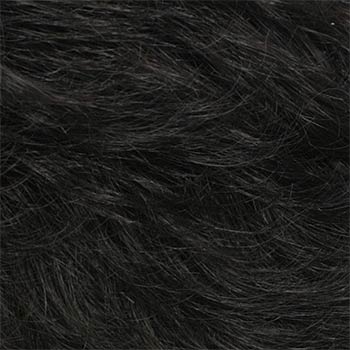 1B
1B
Off Black
A softer black shade with a less severe appearance than an extremely intense solid black.
Very Dark
Dark Brown
A rich darker brown that can give you depth without moving into a black shade.
Brunette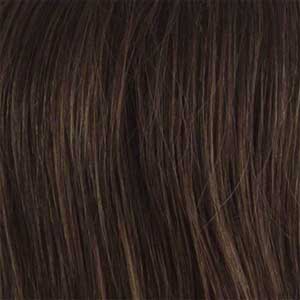 6
6
Medium Brown
A mid-depth brown with a softer overall effect than the darker brunette shades.
Brunette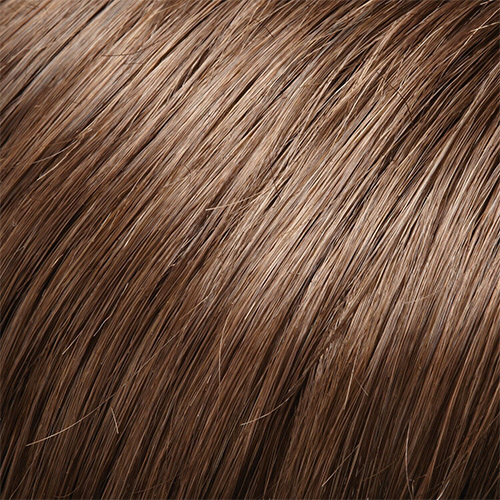 8
8
Light Brown
A lighter brunette shade that begins to bridge the visual gap between deeper browns and darker blondes.
Light Brunette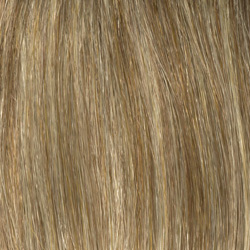 10
10
Dark Blonde
A deeper blonde option with more visual depth than a pale or very light blonde.
Blonde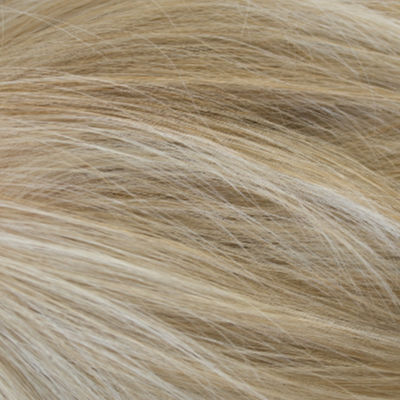 12
12
Light Blonde
A noticeably lighter blonde shade capable of creating a softer and brighter overall hair colour.
Blonde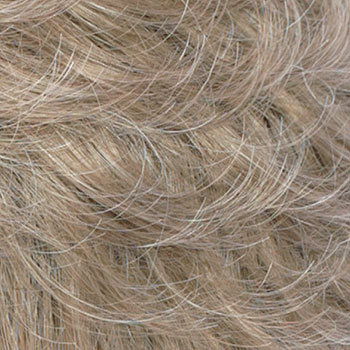 14
14
Ash Blonde
A cooler-looking blonde example with less obvious golden warmth than many traditional blonde shades.
Cooler Blonde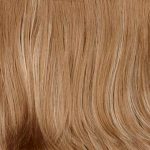 18/22
18/22
Honey Blonde
A warmer blonde blend with visible variation through the colour rather than one completely uniform shade.
Warm Blonde Blend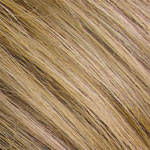 24/18
24/18
Golden Blonde
A multi-tonal blonde example combining golden and paler highlighted colour effects.
Golden Blonde Blend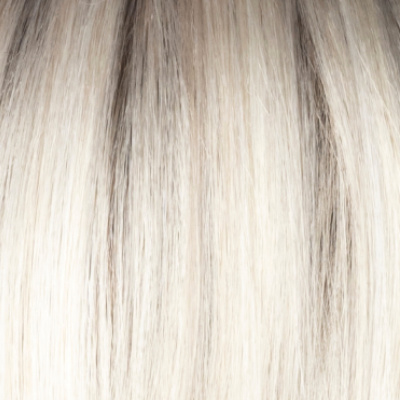 60
60
Platinum Blonde
A very light blonde example for a much brighter and more noticeable overall colour effect.
Very Light Blonde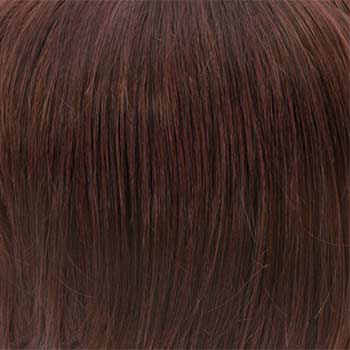 33
33
Dark Auburn
A deeper auburn shade with clearly visible reddish warmth through the overall colour.
Auburn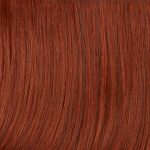 130
130
Cherry Red
A vibrant red example intended to create a much stronger and more distinctive colour statement.
RedCompare colour families first
Decide whether you are broadly drawn towards brunette, blonde, auburn or red before becoming too concerned with an individual shade number.
Then compare depth and tone
Within the same colour family, look at how light or dark the wig is and whether the overall character appears warmer, cooler or more neutral.
Finally check the blend
Look for highlights, mixed fibres, darker roots and other colour variations that may substantially change how the wig appears when worn.
Screen settings, photography and lighting can all change the way a shade appears. Use online photographs to narrow your choice, but treat them as a guide rather than an exact colour match.
Choosing Your First Wig Colour — Sophie’s Practical Advice
Choosing a first wig colour can feel more difficult than it needs to. The easiest approach is to stop searching for one theoretically “perfect” shade and instead narrow the choice to colours that work with your face, your presentation and the way you want to feel.
Start with the overall impression, not the shade number
When you first begin comparing wigs it is easy to become preoccupied with numbers, colour names and tiny differences between shades. Those details are useful, but they come later.
First decide whether you want to see yourself as a brunette, blonde, redhead or somewhere between those broad colour families. Then decide whether the finished look should be quiet and natural, softer and more feminine, or noticeably more glamorous.
Once you have that picture in mind, depth, warmth, highlights and rooting become much easier to judge.
Begin with two or three colour families
Instead of comparing dozens of individual shades, first narrow the choice to broad areas such as brunette, darker blonde or lighter highlighted blonde.
Be careful with very dark colours
Very deep shades create strong contrast around the face. If a dark wig feels harsh, a slightly lighter brown or blended shade may soften the result considerably.
Do not dismiss blonde after trying one blonde
Blonde covers an enormous range of depths and tones. Dark blonde, honey, ash, highlighted and platinum shades can produce completely different effects.
Blends can be easier than a solid shade
If one colour feels too flat or severe, a highlighted or blended shade can introduce variation and soften the appearance around the face.
Give yourself permission to look different
Your first wig does not have to recreate your natural hair. Choosing a wig is also an opportunity to explore the feminine appearance you actually want to create.
Step back before making the decision
Stop concentrating on the fibres themselves and look at your complete reflection. The best shade is usually the one that makes the whole presentation feel balanced.
Before You Choose Your First Wig Colour
Run through these four questions. They are often more useful than trying to memorise colour codes.
As you become more comfortable wearing wigs, your preferences may change. You may begin with a safe brunette and later discover that you love highlighted blonde, or start with blonde and find that a rich auburn suits the image you want to create. Experimentation is part of discovering your own style.
Shade numbers and colour theory can help narrow the choice, but the final decision should come from the complete appearance and how comfortable you feel wearing it.
Common Wig Colour Mistakes — and How to Avoid Them
Most disappointing wig colour choices come from judging one part of the colour in isolation. Looking at depth, tone, blend, lighting and the complete feminine presentation together gives you a much better chance of choosing well.
There is rarely one single “wrong” wig colour. A shade that feels too strong on one person may look wonderful on another, and a colour that appears unremarkable on a chart may work beautifully once it is framing your face.
The aim is therefore not to follow rigid rules, but to avoid the common shortcuts that can make colour harder to judge accurately.
Choosing from the shade name alone
Names such as honey blonde, chocolate brown or strawberry blonde create an impression, but they are not exact colour measurements. The appearance can vary between wig ranges.
Treating a colour number as universal
A familiar shade number may be useful within a particular range, but manufacturers can use different codes and colour combinations.
Automatically matching your natural hair
Your previous or natural hair colour can be a useful starting point, but it does not have to define your feminine presentation. It may also create more or less facial contrast than you expect.
Assuming darker means more natural
Very dark hair creates strong contrast around the face. That can be exactly what you want, but it can also feel harder or heavier than a softer brunette shade.
Deciding that blonde does not suit you
One unsuccessful blonde shade tells you very little about the whole blonde family. Dark, honey, ash, golden, highlighted and very light blondes can all behave differently beside the face.
Ignoring highlights, roots and blends
Two wigs with the same broad colour description can look very different if one is solid and the other contains lighter strands, blended fibres or a darker root.
Judging the wig without looking at your face
It is easy to concentrate on whether you like the colour itself and forget that hair is there to frame your face.
Expecting photographs to show exact colour
Lighting, photography and screen settings can change the apparent depth, warmth and brightness of a wig colour.
A Four-Point Colour Check
Before making your final choice, make sure you have looked at all four parts of the colour rather than concentrating on just one.
A surprising colour is not necessarily a mistake
Sometimes the shade that works best is not the one you expected to choose. If a colour makes your face look balanced, supports the feminine appearance you want and makes you feel comfortable, it is worth trusting the finished result rather than the expectation you started with.
A wig colour should be judged as part of the whole person. Use the shade code, colour name and chart to narrow your options, but make the final decision by looking at the way the wig works with your face and the presentation you want to create.
Seeing Wig Colour Online — Why the Same Shade Can Look Different
Choosing wig colour online is easier when you understand that a photograph is an interpretation of the colour, not the colour itself. Lighting, photography and your screen can all change the way a wig appears.
This matters particularly with blended colours. A highlighted blonde, rooted shade or multi-tonal brunette can reveal different parts of its colour depending on the lighting and angle of the photograph.
One image may make the wig appear warmer or brighter, while another photograph of the same shade may show more depth or a stronger root. That does not necessarily mean either photograph is wrong.
Lighting Changes Colour
Natural daylight, warm indoor lighting and cooler artificial lighting can all change the apparent warmth, brightness and contrast of a wig.
Cameras Interpret What They See
Photography settings, exposure and the way an image has been processed can affect how light, dark, warm or cool the finished photograph appears.
Screens Are Not Identical
A colour viewed on one phone, tablet or monitor may not look exactly the same on another. Screen brightness and display settings can alter the apparent colour.
Multi-Tonal Wigs Change With the Angle
Highlights, blended fibres and rooting may become more or less visible as the hair moves or the viewing angle changes. This is part of the dimension of the colour.
A Better Way to Compare Wig Colours Online
Instead of asking whether one photograph is an exact match, use several pieces of information together.
One photograph should not make the entire decision
Where several product photographs are available, compare them together. Differences between the images can actually help you understand how the shade behaves in changing light.
Pay particular attention to the colour around the face, crown and lighter highlighted sections rather than concentrating on one small area of the wig.
Read the colour description as well as viewing the image
Product photography tells you what a colour may look like, while the shade name, code and description give additional context. Neither should be used completely on its own.
If a shade is described as rooted, highlighted or blended, expect some visual variation rather than one perfectly uniform colour.
Compare on a sensible screen
Avoid judging subtle colour differences with your screen brightness turned extremely low or with unusual display settings active.
Look at more than the brightest highlight
A highlighted wig may contain much more of its deeper base colour than the brightest strands initially suggest.
Think in colour families
Online images are most useful for narrowing your choice to a colour family, depth and overall effect rather than trying to identify a perfectly exact shade from the screen.
The aim is to understand the character of the shade well enough to make an informed choice. Small differences between what you see on screen and the wig in real life are possible, particularly with highlighted and multi-tonal colours.
Wig Colour Guide FAQs
Quick answers to some of the most common questions people have when comparing wig shades, colour codes, highlights and blends.
Do I need to choose the same wig colour as my natural hair?
No. Your natural or previous hair colour can be a useful reference, but it does not have to determine your wig colour. A wig also gives you the opportunity to explore a softer, lighter, warmer, cooler or more glamorous look if that better suits the presentation you want to create.
Are wig colour numbers the same for every manufacturer?
No. Shade numbers and naming systems can vary between manufacturers and wig ranges. A code is most useful when comparing colours within the same brand or range rather than assuming an identical number will look the same everywhere.
What is the difference between wig colour depth and tone?
Depth describes how light or dark the overall colour appears. Tone describes the character within that depth, such as a warmer golden effect or a cooler ashier effect.
Two wigs can therefore be similarly light or dark while still looking very different because their tones are different.
What is a rooted wig colour?
A rooted shade has a deliberately darker-looking area at or close to the roots before moving into the main colour through the rest of the wig.
Rooting can change the overall contrast of a light or blended shade, but whether you prefer it is simply part of choosing the visual effect you want.
Are highlighted or blended wigs better than solid colours?
Not automatically. Highlights and blends introduce colour variation and dimension, while a more uniform shade produces a cleaner, more consistent colour effect.
Neither is inherently better. The right choice depends on how you want the finished wig to look around your face.
Why does the same wig colour look different in different photographs?
Lighting, camera settings, image processing and screen settings can all alter how a shade appears. Multi-tonal wigs can also reveal different highlights, roots and colour reflections depending on the viewing angle.
Use online photographs as a guide to the general colour rather than expecting every screen image to reproduce the shade exactly.
Does blonde suit everyone?
There is no single blonde colour. Dark blonde, honey blonde, ash blonde, golden blonde, highlighted shades and very light blonde can all create different amounts of contrast and warmth.
If one blonde does not work for you, it does not necessarily mean the whole blonde colour family should be ruled out.
Is a very dark wig more natural-looking?
Not necessarily. Very dark shades create stronger contrast around the face, which may be exactly the effect you want, but they can also feel stronger than a softer brunette or blended shade.
Judge the finished appearance around your face rather than assuming darker automatically means more natural.
How should I choose between two similar wig colours?
Compare more than the main shade. Look at the depth, warmth or coolness, highlights, darker roots and overall contrast around your face.
It can also help to return to the Translife Wig Colour Chart and the complexion section before making the final choice.
Should I choose my wig colour before choosing the style?
It is better to consider colour and style together. The same shade can create a different impression on a short structured wig, a softly layered style or a longer glamorous wig.
If you are still deciding on the whole wig rather than colour alone, use the Translife Wig Buying Guide to bring the main choices together.
Still unsure which colour direction to take?
The purpose of this guide is to help you narrow the choice rather than make colour feel more complicated. Start with the broad colour family you are drawn to, compare depth and tone, and then look at how the complete wig works around your face.
Find a Wig Colour You’ll Enjoy Wearing
You now have the main tools for comparing wig colour: depth, tone, highlights, blends, rooting, shade codes and complexion. Use them to narrow your choice, then focus on the finished look you want to create rather than searching for one theoretically perfect colour.
Bring colour together with size, length, style, fibre and construction before choosing your wig.
Compare the Translife brunette, blonde, auburn and red examples again before narrowing your choice.
If you are unsure which colour direction to explore, contact Translife for practical help with your choice.