
Translife Footwear Knowledge Centre
Crossdressing Footwear Guide
Women’s shoe sizes, heel heights and practical buying advice
Choose feminine shoes, high heels and boots with greater confidence. This complete Crossdressing Footwear Guide helps you understand women’s sizing, compare heel heights, avoid common buying mistakes and browse eight specialist Translife footwear collections.
Start Here
How to Use This Crossdressing Footwear Guide
The Translife Crossdressing Footwear Guide is the central starting point for choosing feminine shoes and boots. Select the route that matches your immediate question, then continue to the relevant specialist guide or footwear section.
Begin with Your Measurements
Find Your Women’s Shoe Size
Start here when you are unsure which size to order. Accurate foot and boot measurements provide the foundation for comfort, stability and a secure fit.
Read the Size & Fit GuideCompare Height and Stability
Choose a Suitable Heel Height
Learn how heel height, heel shape and platforms affect balance and comfort before choosing a style appropriate for your experience and intended use.
Read the Heel Height GuideNew to Feminine Footwear
Choose Your First Pair
Compare beginner-friendly styles, avoid common purchasing mistakes and choose feminine footwear that supports your confidence rather than making walking unnecessarily hard.
Read the First Pair GuideCompare Feminine Styles
Explore Shoes and Boots
Compare court shoes, sandals, ankle boots, knee-high boots and thigh-length boots before deciding which style best suits your outfit, measurements and intended occasion.
Compare Shoes & BootsFootwear Knowledge Centre
Explore Our Specialist Crossdressing Footwear Guides
Use the Translife Crossdressing Footwear Guide to find detailed advice about women’s shoe sizing, heel height, choosing your first pair, walking in heels, boot fitting and footwear care.
Available Now
Footwear Size & Fit Guide
Learn how women’s shoe sizing applies to male feet, compare UK, European and US sizes, measure both feet accurately and check the additional measurements needed for boots.
Read the Size & Fit GuideAvailable Now
Heel Height Guide
Compare low, medium, high and statement heels, understand platforms and effective heel height, and choose a stable height suited to your experience and intended use.
Read the Heel Height GuideComing Soon
Walking in Heels
Build confidence with practical guidance covering posture, balance, controlled steps, weight transfer and developing a more natural feminine walk.
Guide in DevelopmentAvailable Now
Choosing Your First Pair of Feminine Footwear
Discover beginner-friendly footwear styles, avoid common buying mistakes and choose a first pair that supports your comfort, confidence and intended use.
Read the First Pair GuideComing Soon
Boots Guide
Understand ankle boots, knee-high boots and thigh-length boots, including calf, thigh and shaft measurements, fastenings and heel choices.
Guide in DevelopmentComing Soon
Footwear Care Guide
Learn how to clean, dry, store and maintain feminine shoes, high heels and specialist boots without damaging their materials or construction.
Guide in DevelopmentChoosing with Confidence
Choose Feminine Footwear for Your Experience Level
The most suitable footwear is not always the highest heel or most dramatic style. This section of the Crossdressing Footwear Guide helps you choose shoes or boots that match your current confidence, intended use and walking experience.
First Pair
Begin with Stability
A lower or medium heel with a broader base provides a more forgiving introduction to feminine footwear. Supportive court shoes, block heels and ankle boots can make the change in posture and balance easier to manage.
- Choose a secure and supportive fit.
- Begin with a lower or broader heel.
- Avoid loose or unstable styles.
- Practise indoors on a clear, level surface.
Building Confidence
Progress Gradually
Once you can walk comfortably in a stable heel, begin experimenting with slimmer heels, sandals and more expressive styles. Increase heel height in small stages rather than moving directly to a very high stiletto.
- Increase heel height gradually.
- Practise turning and using stairs.
- Compare open-toe and closed-toe fit.
- Consider a secure ankle strap.
Experienced Wearer
Explore Specialist Styles
Experienced wearers may feel comfortable exploring higher stilettos, platforms, thigh boots and less supportive designs. Secure fit and intended use still matter, even when balance and confidence are well developed.
- Match the style to the occasion.
- Check platform and heel proportions.
- Measure calf and thigh width for boots.
- Consider the expected period of wear.
Before You Purchase
Ask Yourself These Four Questions
These practical checks help you choose footwear that works for the way you intend to wear it.
Where will I wear them?
Private wear, photography, shopping and evenings out can require different levels of support.
How long will I wear them?
Footwear that feels comfortable briefly may be less suitable for several hours of standing or walking.
How stable do I feel?
Choose a heel that lets you walk naturally without leaning, rushing or placing excessive pressure on your toes.
Does the footwear fit securely?
Correct length, width and support matter more than the size printed on the box.
Explore the Translife Collection
Browse Every Feminine Footwear Collection
Move directly from the Translife Crossdressing Footwear Guide to the collection that best matches your preferred heel height or boot style. Explore flat ladies’ shoes, lower heels, platform footwear and feminine boots available in larger sizes.
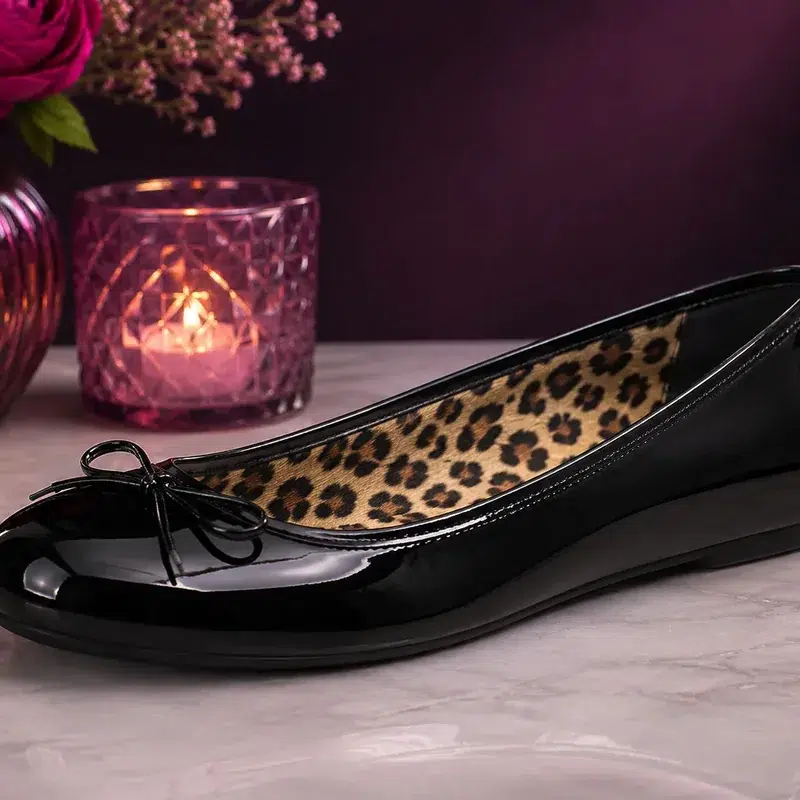
Flat Ladies’ Shoes
Comfortable feminine shoes for everyday wear, longer periods on your feet and anyone who prefers stability without a raised heel.
Browse Flat Shoes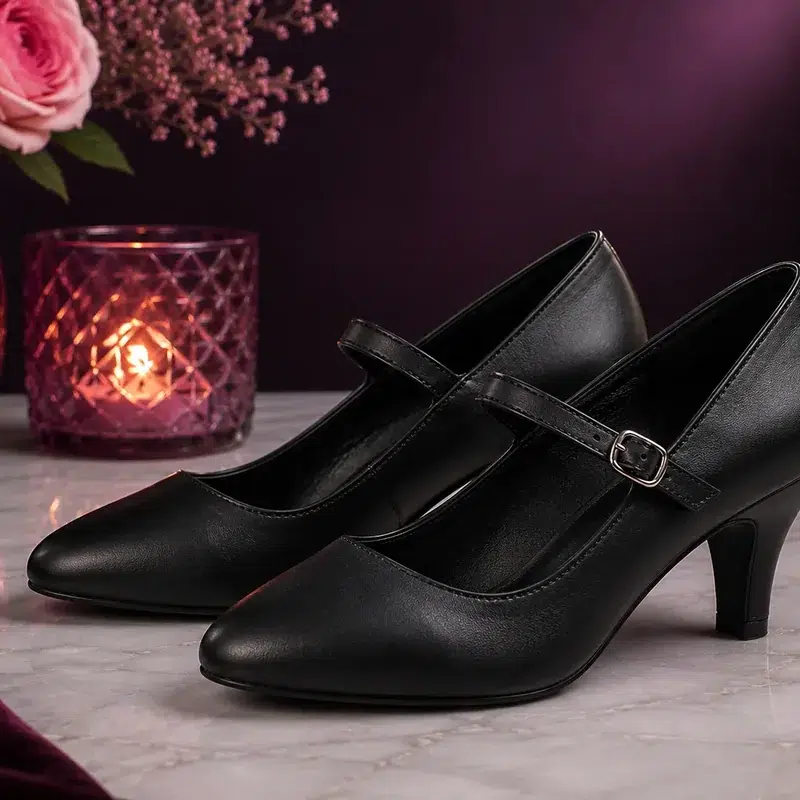
2″–2.75″ Heels
Manageable lower heels offering feminine shape with useful stability for first pairs, social occasions and longer periods of wear.
Browse Lower Heels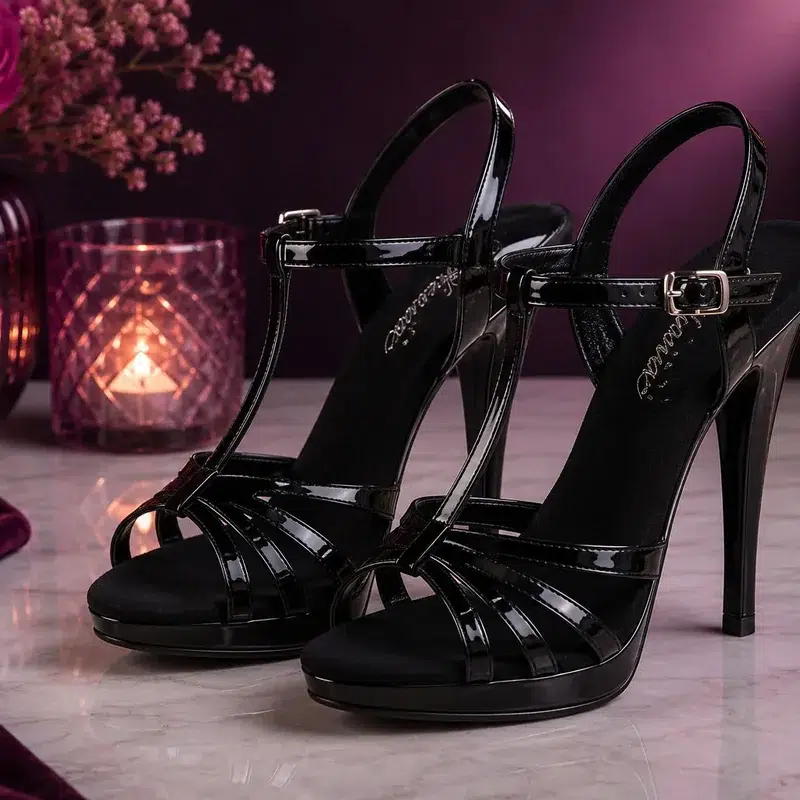
4″–5.75″ Heels
Elegant high heels and platform styles for customers ready to combine a stronger feminine silhouette with greater height.
Browse 4″–5.75″ Heels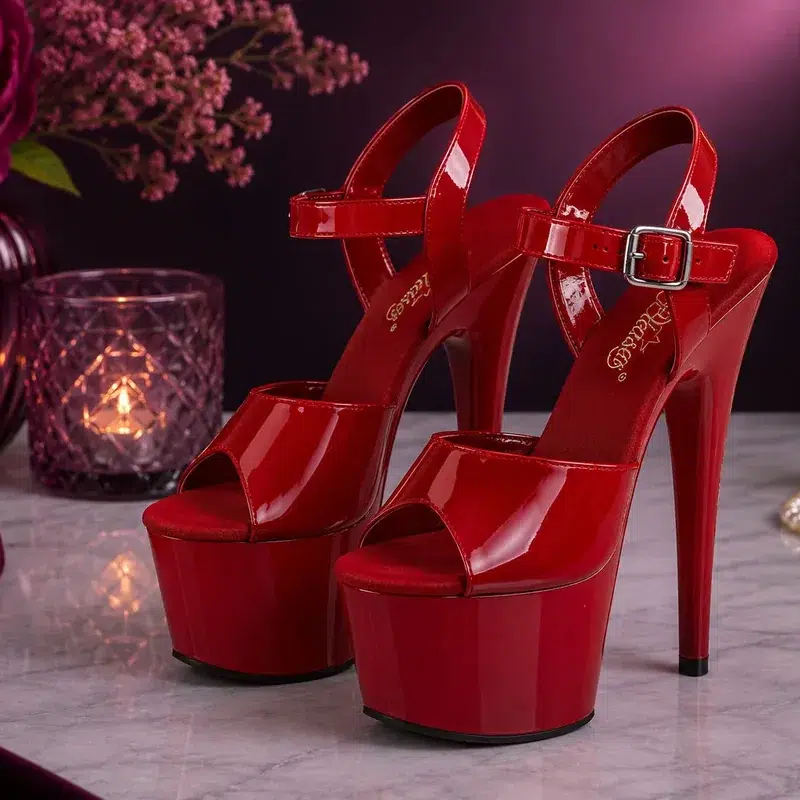
6″–7.75″ Heels
Dramatic platform footwear for experienced wearers who want unmistakable height, visual impact and glamorous styling.
Browse 6″–7.75″ Heels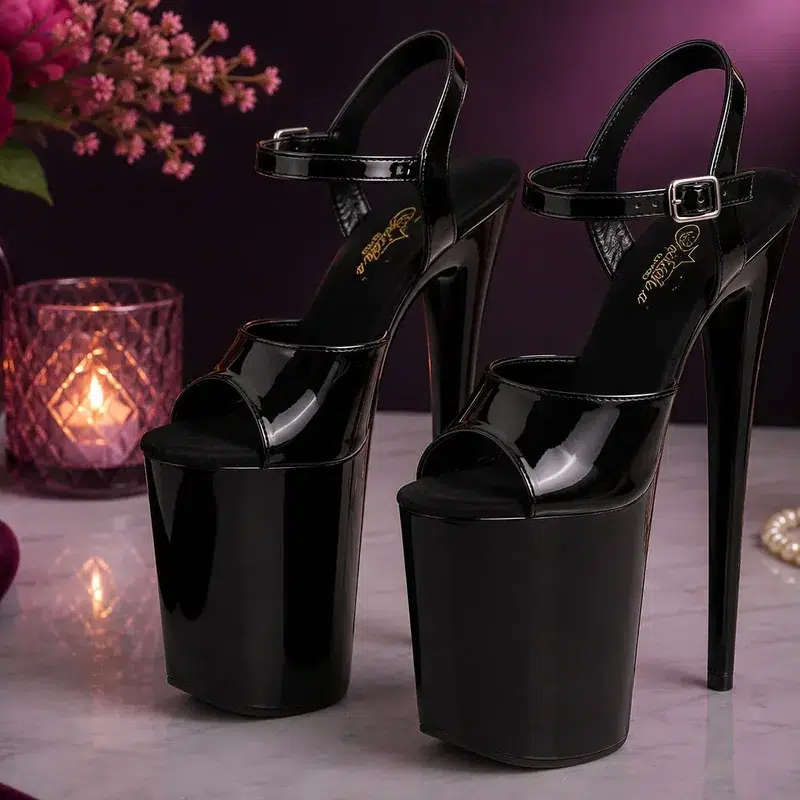
Extreme Heels
Exceptionally high platform shoes created for confident, experienced wearers, statement styling and controlled environments.
Browse Extreme Heels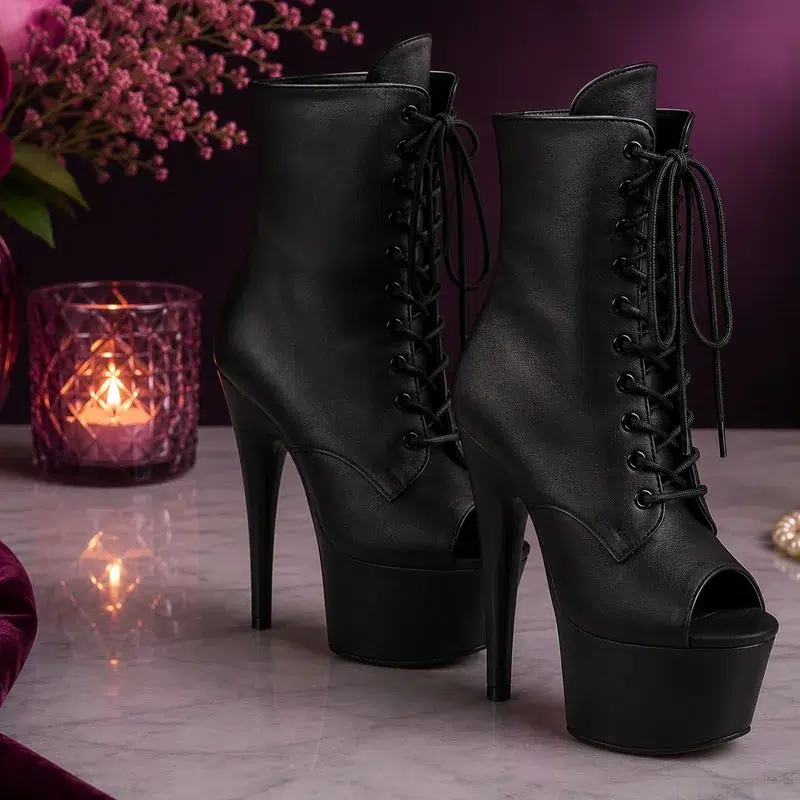
Ankle & Calf Boots
Versatile shorter boots that are generally easier to fit while providing useful support and a strong feminine footwear option.
Browse Ankle & Calf Boots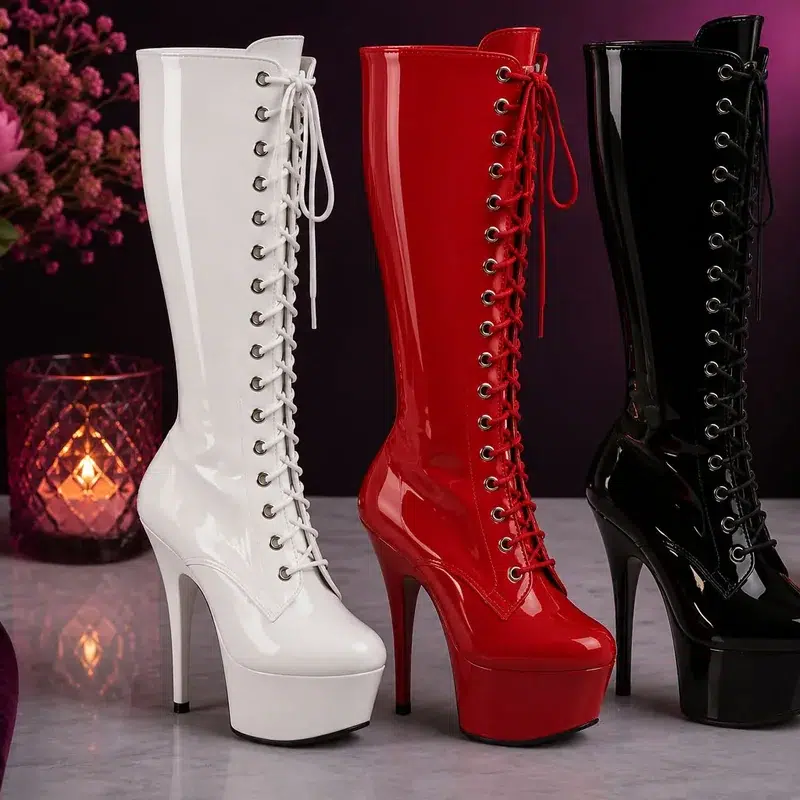
Knee-Length Boots
Classic feminine boots offering greater leg coverage and visual impact. Check calf circumference and shaft height before ordering.
Browse Knee-Length Boots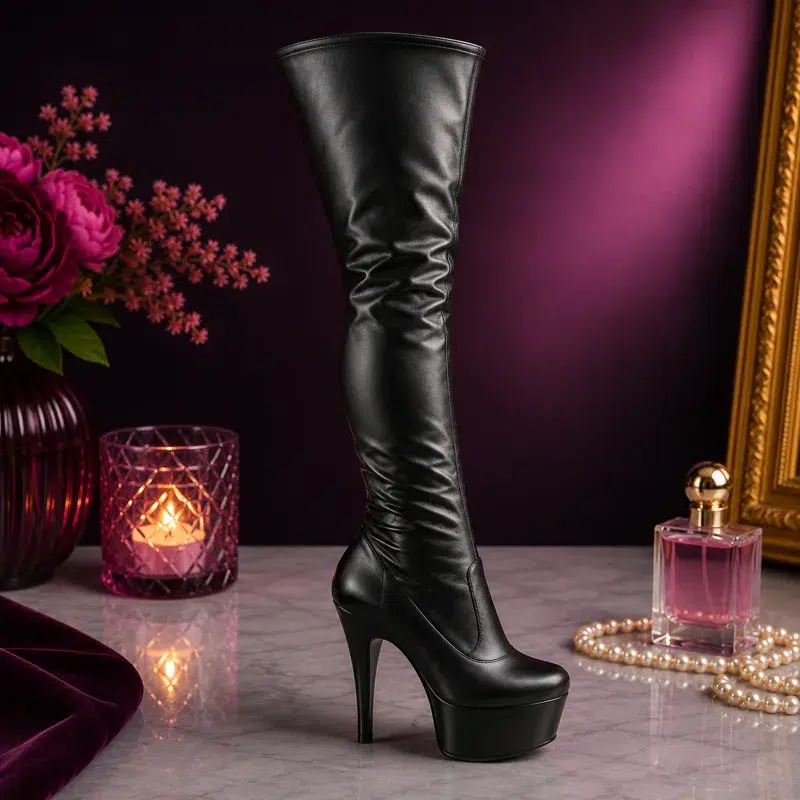
Thigh-Length Boots
Dramatic over-the-knee footwear requiring careful calf, thigh and shaft measurements for a secure and comfortable fit.
Browse Thigh-Length BootsBefore You Order
Avoid These Common Feminine Footwear Buying Mistakes
A successful footwear purchase combines accurate measurements, realistic expectations and a style suited to the way you plan to wear it. This part of the Crossdressing Footwear Guide highlights the mistakes most likely to cause poor fit, discomfort or an unnecessary return.
Guessing Your Women’s Shoe Size
Do not automatically order several sizes larger because the footwear is labelled as women’s. Measure both feet and check the manufacturer’s guidance for the individual style.
Better approach: Use the Footwear Size & Fit Guide to measure your feet before ordering.
Choosing Appearance Before Fit
Colour, heel shape and styling cannot compensate for shoes that are too short, too narrow or unable to support the foot securely while standing and walking.
Better approach: Check length, width, toe shape and fastening before deciding whether the style is suitable.
Starting with an Excessive Heel
A very high or narrow heel can make balance, posture and controlled walking unnecessarily difficult for someone buying feminine footwear for the first time.
Better approach: Compare stability, platforms and effective heel height in the Heel Height Guide .
Ignoring Foot Width and Toe Shape
Two people with the same foot length may require different styles because of width, instep depth and toe shape. The printed shoe size is only one part of the fitting decision.
Better approach: Select a construction that matches the shape of your foot rather than relying on size alone.
Buying Tall Boots Without Measuring
Knee-length and thigh-length boots require more than a shoe size. Calf circumference, thigh circumference and shaft height can determine whether the boot will fit correctly.
Better approach: Measure both legs while standing and compare the larger measurements with the product information.
Ignoring How the Footwear Will Be Used
Shoes suitable for photography or short private wear may not be practical for shopping, stairs, uneven ground or several hours of standing.
Better approach: Consider the location, walking distance and expected period of wear before choosing the style.
Personal Footwear Support
Need Help After Reading Our Crossdressing Footwear Guide?
Footwear sizing can still feel uncertain when you are comparing brands, widths, heel heights or boot measurements. Sophie offers friendly and discreet advice to help you make a more confident choice.
Translife has supplied feminine footwear to crossdressers and transgender customers since 2002. Send Sophie the product you are considering, your usual UK shoe size and any relevant foot, calf or thigh measurements so she can review the available information with you.
Helpful Footwear Answers
Crossdressing Footwear Guide FAQs
These frequently asked questions provide concise answers about women’s shoe sizing, heel height, larger footwear sizes and fitting feminine boots. Follow the links to the relevant Translife guide or footwear collection when you need more detailed advice.
How do I work out my women’s shoe size?
Measure the length and width of both feet while standing, then use the larger measurements when checking the sizing information for an individual product. Do not assume that every women’s shoe needs to be ordered several sizes larger than your usual footwear.
Brands can use different lasts, widths, toe shapes and materials, so two styles carrying the same printed size may fit differently.
Read the Footwear Size & Fit GuideWhat heel height is best for a beginner?
A lower or medium heel with a broad, stable base is generally easier to manage than a very high, narrow stiletto. A secure court shoe, block heel or supportive ankle boot can provide a more forgiving introduction to feminine footwear.
Your ideal starting height also depends on balance, intended use and how much walking or standing is involved.
Read the Heel Height GuideDoes Translife sell larger ladies’ shoe sizes?
Yes. Translife specialises in feminine footwear in larger sizes, with many ranges extending up to UK size 13. The sizes available depend on the manufacturer and the individual shoe or boot style.
Always check the options shown on the product page rather than assuming every design is available in the complete size range.
Browse Every Footwear CollectionShould I choose feminine shoes or boots for my first pair?
A secure lower-heeled shoe or supportive ankle boot can both work well as a first pair. Shoes are often lighter and make it easier to understand how the heel changes your posture, while ankle boots can provide additional support around the ankle.
Choose according to fit, intended use and confidence rather than selecting a style purely for its appearance.
Read the First Pair GuideHow should I measure for knee-length or thigh-length boots?
In addition to foot length and width, measure around the widest part of both calves while standing. For thigh-length boots, also measure around the fullest part of each thigh and use the larger measurement.
Check the stated shaft height to estimate where the top of the boot will sit on your leg. Allow for any hosiery or clothing you expect to wear underneath.
Check Footwear and Boot MeasurementsAre platform heels easier to walk in?
A platform beneath the front of the shoe can reduce the effective angle between the heel and forefoot. This means a platform shoe may feel less steep than a non-platform shoe with the same total heel height.
Platforms can still be heavy, rigid or unstable. Heel width, fit, sole construction and ankle support remain important when assessing how manageable the footwear will be.
Understand Platforms and Effective Heel HeightWhy can the same shoe size fit differently between brands?
Manufacturers use different lasts, width allowances, toe shapes, materials and internal construction. Patent footwear may feel less flexible than a softer material, while an open sandal may fit differently from a closed court shoe in the same labelled size.
Treat each product as an individual fitting decision and check its construction and available sizing information before ordering.
Learn More About Women’s Footwear FitCan Sophie help me choose suitable footwear?
Yes. Send Sophie your usual UK shoe size, the product or collection you are considering and any relevant foot, calf or thigh measurements.
It is also helpful to explain whether the footwear is intended for private wear, photography, walking, shopping or a longer occasion. Sophie can then help you compare the available product information with your requirements.
Ask Sophie on WhatsApp