Translife · Footwear knowledge centre
Feminine Footwear Care Guide
Keep your favourite heels, shoes and boots looking beautiful. Clear, practical advice on cleaning delicate finishes, protecting soles and heel tips, and storing footwear safely between wears.
Protect what you love
A little care after every wear makes the difference
A polished pair of court shoes, a favourite ankle boot or a striking pair of thigh-high boots deserves more than being put back in a cupboard. The right cleaning method depends on the material, while careful storage helps protect the shape and finish.
Clean gently
Remove loose dirt first. A soft cloth or appropriate brush is usually better than heavy scrubbing.
Dry naturally
Air out worn footwear away from radiators, hairdryers and strong direct sunlight.
Store with support
Protect the surface from scuffs and help boots and shoes retain their shape.
Know the finish
Different materials need different care
The same cleaning product is not right for every shoe. Identify the finish before you begin, especially with patent, suede, satin, glitter and stretch boots.
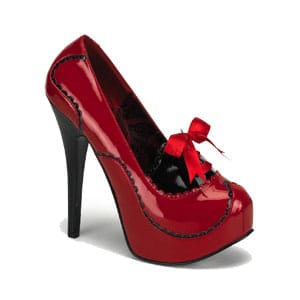
Patent and glossy PVC
Wipe with a barely damp, soft microfibre cloth; dry gently with a separate cloth. Keep pairs from rubbing against one another, which can mark the glossy surface.
Avoid: abrasives, solvents and prolonged contact with dark or dyed materials that may transfer colour.

PU and faux leather
Dust first, then wipe with a lightly damp cloth. For stubborn marks, use a product explicitly suitable for the finish and remove any residue.
Avoid: soaking, harsh cleaners and heat intended to soften or stretch the upper.

Stretch materials
Check the fabric and coating guidance. Use a soft cloth and gentle handling, particularly at the zip, seams and elastic panels. Air-dry fully before storage.
Avoid: pulling at stretch sections, strong heat and heavy products that leave residue.
Suede and nubuck
Allow mud to dry, then lift dust with a specialist suede brush, following the nap. Use only suitable suede products and test first. Liquid cleaning can cause marks.
Satin, fabric, glitter and embellishments
Start with a dry, soft brush or careful spot cleaning only where the manufacturer permits it. Avoid soaking, rubbing sequins or pulling decorative trim.
After every wear
The five-minute footwear care routine
Good habits
- Use a separate soft cloth for delicate finishes.
- Keep shoes off dusty floors and away from direct sunlight.
- Alternate pairs where possible and allow time to air.
- Check heel tips before longer outings.
Common mistakes
- Putting damp shoes straight into closed boxes.
- Using household solvents or abrasive sponges.
- Drying boots against radiators or with hairdryers.
- Stacking footwear so heels scratch softer uppers.
Small repairs matter
Protect the heels, soles and fastenings
A beautiful upper can still be spoiled by a worn heel tip, a loose buckle or a damaged sole. Check the parts that meet the ground before they become a bigger repair.
Replace worn or missing heel tips promptly. If the metal pin is exposed, stop using the shoes until repaired.
Remove grit and allow soles to dry. Ask a cobbler about appropriate repairs or protective soles where suitable.
Fasten carefully; never force a jammed zip. Check stitching, buckles and decorative fittings for looseness.
Boot storage
Keep knee-high and thigh-high boots in shape
Support tall shafts
Use suitable boot shapers or loosely filled, clean acid-free tissue to reduce folds. Do not force the shaft wider than its normal shape.
Protect delicate finishes
Keep patent, suede and embellished pairs separated with breathable dust bags or suitable packaging. Avoid tight stacking.
Store cool and dry
Keep boots away from damp cupboards, direct sunlight and heat. Allow them to dry completely before packing them away.
Common questions
Footwear care FAQs
Can I use ordinary shoe polish on patent or faux leather?
Do not assume that traditional leather polish is suitable. Patent coatings and synthetic uppers often need different care. Follow the manufacturer’s guidance and test a suitable product on a hidden area first.
How should I clean suede shoes after a rainy outing?
Allow them to dry naturally away from heat, then brush with an appropriate suede brush. Avoid soaking or aggressive rubbing. Persistent water marks may need specialist attention.
How can I prevent marks on glossy patent heels?
Keep pairs separated in storage, remove dust gently and avoid contact with dark, dyed surfaces. Some transferred colour can become permanent, so prevention is important.
When should I replace the tip of a stiletto heel?
As soon as the tip becomes noticeably worn, uneven or missing. Exposed metal can damage the heel and make walking less secure.
How should I store knee-high or thigh-high boots?
Make sure they are dry, then use gentle support to help maintain shaft shape. Keep them away from heat and avoid compressing them under other items.
Should I spray all new footwear with waterproofing products?
No. Treatments depend on the material and coating. Use only products explicitly compatible with the specific footwear and follow instructions, including ventilation and patch testing.
Complete your footwear knowledge
Beautiful footwear deserves thoughtful care
From your first feminine shoes to elegant boots and statement heels, small habits make every pair easier to enjoy for longer. Explore the other Translife guides for buying, fitting and walking advice.
Translife Limited · Specialist crossdressing products and private dressing guidance since 2002