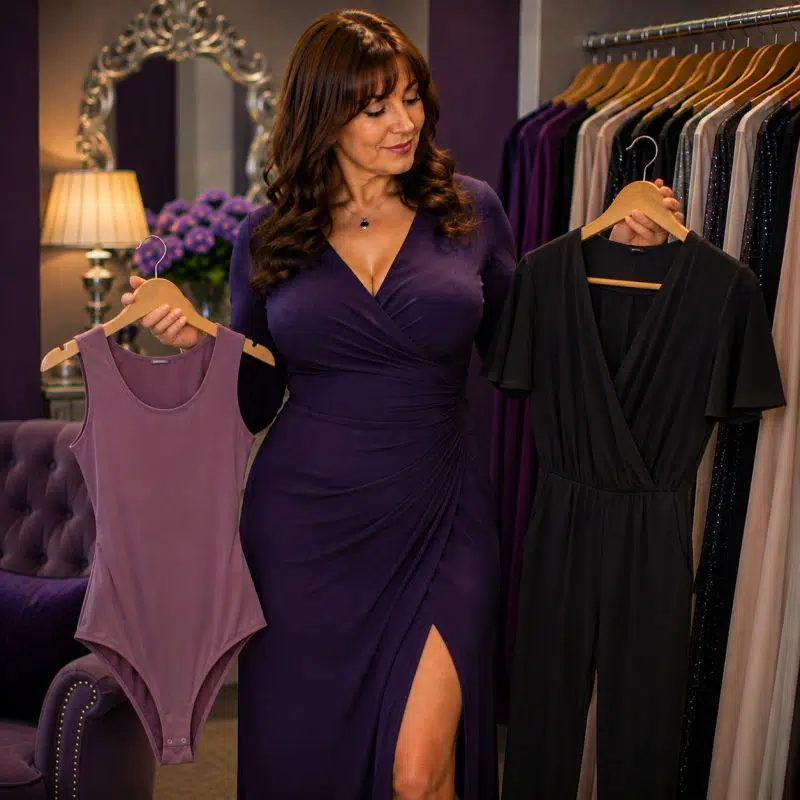
Bodysuits & All-in-Ones
Compare one-piece styles, measure torso length and find a closure that’s easy to use.
Bodysuits and all-in-ones can make getting dressed simpler when you want a top that stays tucked in or a smooth layer under a dress. I start by deciding what I need the garment to do. Some pieces are designed to show as part of an outfit, while others sit beneath it. The fit should work from shoulder to gusset as well as around the waist and hips. Before you choose, check the length, the stretch of the fabric and how the garment opens.
Bodysuits and all-in-ones for different outfits
A clothing bodysuit can work like a fitted top under trousers or a skirt. Check whether its leg edges will show through the outfit and whether you can fasten it comfortably once dressed. A teddy is a one-piece lingerie style and may use lace or mesh, which can add texture under a thin layer. A shaping bodysuit generally has firmer panels and can give more coverage through the waist or lower abdomen. Browse the Translife bodysuit collection for clothing styles, or compare coverage in the shapewear collection.
Measure around the body and check torso length
Take the waist and hip measurements that the product chart asks for. If the maker gives a torso-loop measurement, start the tape at one shoulder, bring it down the front, between the legs and up the back to the same shoulder. Follow the maker’s measuring instructions wherever they differ. If they list a flat garment length, compare it with a similar bodysuit you already own using the same start and end points. The Crossdressing Clothing Size Guide explains where to take your waist and hip measurements.
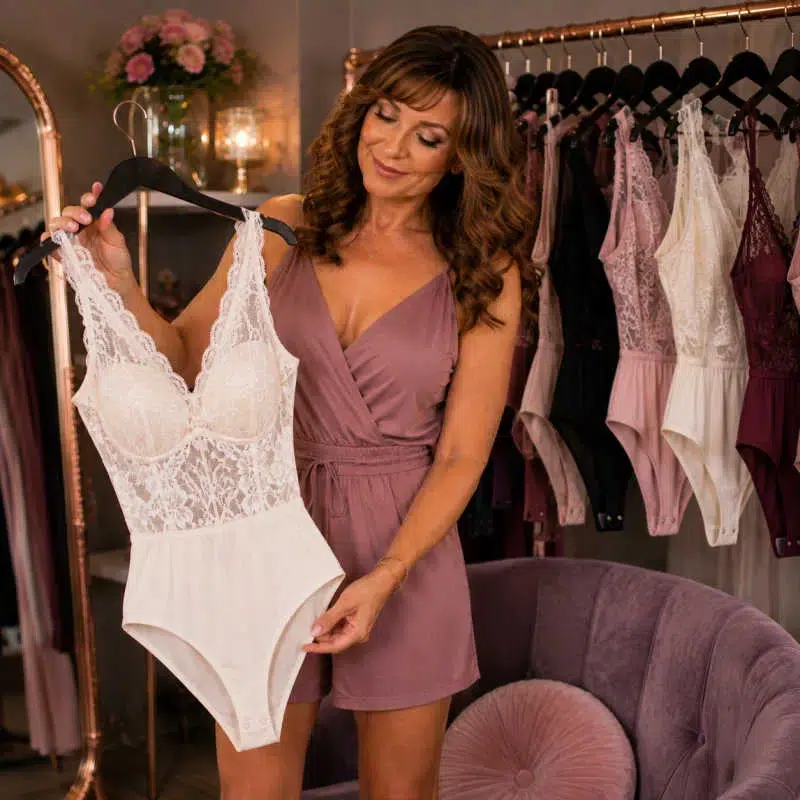
Check how the body fits once you move
A body that feels fine standing still can pull when you sit down or reach overhead. Try both movements and check the shoulder seams, neckline and gusset. If the straps can adjust, start with both sides even, then make small changes to get the neckline to sit comfortably. If there is still pulling after adjusting the straps, compare with a longer cut. If the back gathers or the gusset hangs lower than you expected, try a shorter body or a different rise. Check how the shoulder-to-gusset length feels before deciding whether the waist needs a different size.
Choose a closure you can manage comfortably
Bodysuits and all-in-ones may have a snap or hook closure at the gusset, a zip, or a pull-on opening. If you expect to wear yours on an outing, check how easy it is to open and refasten while wearing the rest of your outfit. A pullover body can require more undressing than one with a gusset closure. Where there are multiple fastening positions, try the setting that lets you sit comfortably and check that the overlap lies flat. With longer nails, practise at home before you wear the piece out.
Try the layers together before deciding
Put on the bra, forms or hip pads you plan to wear, then check the fit of the body over them. An open-bust style can leave room for a separate bra, while a built-in cup needs to fit the bust shape you’re wearing. Add the outer layer and look at the neckline, leg edges and closures from the front and back. For a fitted skirt or trousers, check the outline in daylight and again when you sit down. I find it helps to save the size and cut that worked, along with a note about which outfit I tried it with.